No products in the cart.
US Visa Processing Suspension Shocks Nigeria, 74 Others
Some policy decisions don’t arrive with a press conference or a dramatic announcement. Instead, they surface quietly, through official notices, embassy updates, and suddenly stalled applications.
That is how many people first encountered news of the US visa processing suspension, a development that has now begun affecting Nigeria, Morocco, and at least 74 other countries worldwide. For students refreshing their email inboxes, families planning reunions, and professionals preparing for international travel, the news has landed with uncertainty rather than clarity.
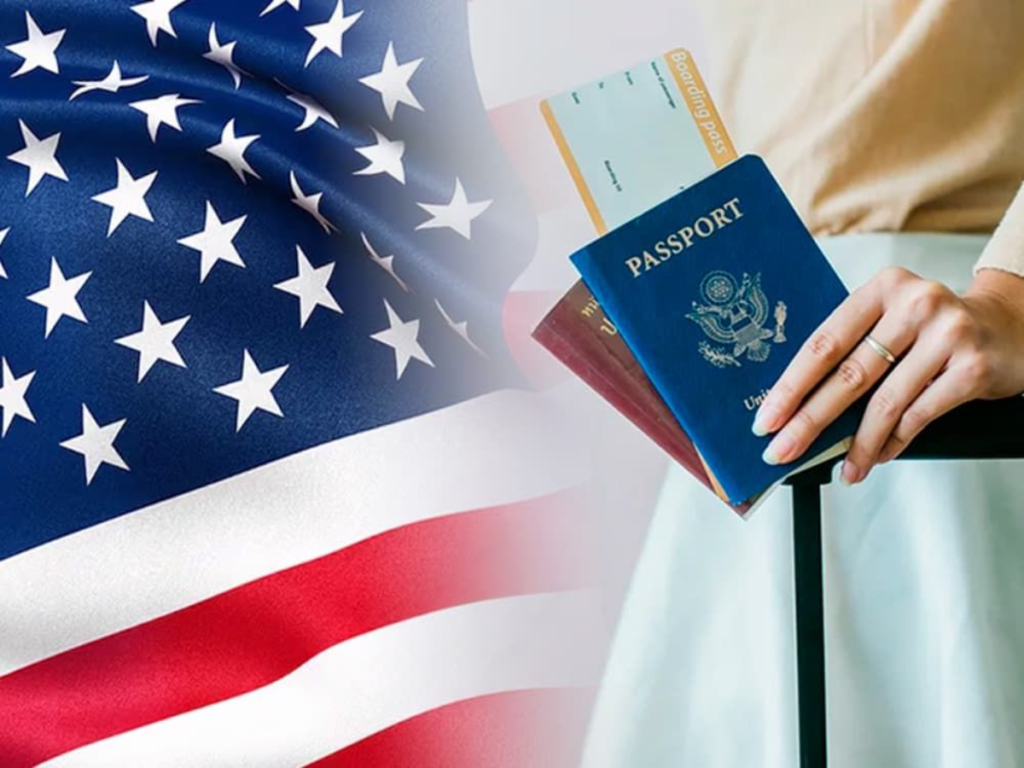
Unlike outright bans, a suspension creates a pause, and pauses can be deeply unsettling. They leave room for questions: How long will this last? Who is affected? And what happens next? As details continue to emerge, the situation has quickly become a point of concern across diplomatic, educational, and migration circles.
This article breaks down what is currently known, what remains unclear, and why the US visa processing suspension matters far beyond paperwork.
What Is the US Visa Processing Suspension?
The US visa processing suspension refers to a temporary halt or freeze in the processing of certain US visa categories for selected countries.
According to reports published online, visa processing for Nigeria, Morocco, and dozens of other countries has been suspended, affecting applicants across multiple visa types.
While US authorities have not described the move as a permanent ban, the suspension means new applications may not be reviewed, scheduled, or approved during this period.
In practical terms, this has resulted in:
- Delayed visa interviews
- Paused application reviews
- Uncertainty for applicants already in progress
Countries Affected by the US Visa Processing Suspension
Nigeria is among the countries explicitly mentioned in reports, alongside Morocco and at least 73 others.
Although a complete official list has not been published in a single US government statement, multiple outlets report that the suspension affects countries across Africa, parts of Asia, and other regions.
Because the US visa processing suspension is being implemented administratively, affected applicants are often learning about it through embassy notices or third-party confirmations rather than a single global announcement.
This fragmented communication has contributed to confusion and anxiety, particularly in countries with high volumes of US visa applicants.
Why the US Implemented the Visa Processing Suspension
At the time of reporting, US authorities have not released a detailed public explanation outlining all reasons behind the suspension.
However, immigration analysts suggest the move may be linked to:
- Administrative backlogs
- Security and verification reviews
- Diplomatic or policy reassessments
- Capacity constraints at embassies and consulates
Similar pauses have occurred in the past during periods of policy transition or system restructuring, though the scale of this US visa processing suspension has drawn notable attention.
How the Suspension Affects Nigerians
For Nigerian applicants, the impact is particularly significant.
The United States remains a major destination for:
- International students
- Business travellers
- Family reunification
- Medical and professional visits
With the US visa processing suspension now in place, many Nigerians face:
- Deferred academic plans
- Missed conferences or work opportunities
- Prolonged family separations
Educational institutions and travel agencies have also begun advising applicants to prepare for extended delays rather than immediate resolutions.
Student Visas and Educational Concerns
One of the most affected groups is international students.
The US hosts hundreds of thousands of foreign students each year, including a large Nigerian population. Any disruption to visa processing risks could lead to either one of the following:
- Missed admission cycles
- Deferred enrolments
- Financial losses for students and institutions
As the US visa processing suspension continues, universities may be forced to accommodate deferrals or shift students to remote options where possible.
Is This a Visa Ban?
Importantly, immigration experts stress that a suspension is not the same as a ban.
A ban restricts entry outright. A suspension pauses processing.
That distinction matters because:
- Existing visa holders may still travel (subject to airline and border rules)
- Policies can be reversed without legislative action
- Processing may resume without permanent restrictions
Still, the uncertainty created by the US visa processing suspension remains a major concern for applicants.
What Applicants Are Being Advised to Do
While official guidance varies by embassy, general advice to adhere to includes:
- Monitoring official US embassy websites
- Avoiding unofficial intermediaries
- Keeping documentation updated
- Preparing for possible long delays
Applicants are also advised to rely on verified sources such as:
- US Department of State: You can do that here
- US embassy websites in their respective countries
Broader Global Implications
Beyond individual cases, the US visa processing suspension reflects a broader shift in how global mobility is being managed.
In recent years, visa policies have increasingly been shaped by:
- Security considerations
- Digital verification systems
- Diplomatic relations
- Administrative capacity
As a result, sudden pauses have become more common, even when long-term travel relationships remain intact.
What Happens Next?
At this stage, there is no confirmed timeline for when the US visa processing suspension will be lifted.
Much depends on many factors like :
- Internal US policy reviews
- Embassy capacity
- Diplomatic engagement with affected countries
Until clearer guidance is released, applicants are left navigating uncertainty, a reminder that immigration systems often move more slowly than individual lives.
Conclusion
The US visa processing suspension affecting Nigeria, Morocco, and 74 other countries is more than an administrative pause. It is a disruption with real consequences for students, families, professionals, and institutions worldwide.
While the suspension is not a permanent ban, the lack of clear timelines has amplified concern and speculation. As governments and embassies work behind the scenes, affected individuals are left waiting, plans on hold, futures delayed.
For now, the most important tools remain accurate information, patience, and preparedness. The suspension could be lifted at any time.
Enjoyed This Story?
If you found this update on the US visa processing suspension helpful, don’t forget to like, share, and leave a comment with your thoughts. This could just be useful to that friendly neighbour or even your high school friend.
Follow our blog for verified immigration news, global policy updates, and clear explanations beyond the headlines.
You can also connect with us on Instagram, Facebook, X (Twitter), and LinkedIn for timely updates that matter.
SHARE: