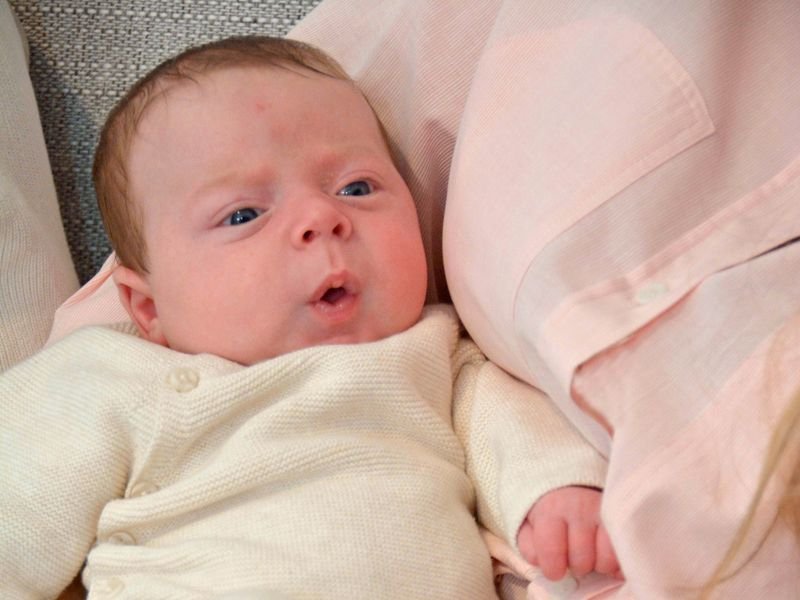
There are medical breakthroughs… and then there are moments that feel almost impossible.
A moment that blends science, hope, grief, generosity, and the raw power of human resilience.
The birth of the UK womb transplant baby is one of those moments.
For the first time in the United Kingdom, a baby has been born to a woman who received a womb transplant from a deceased donor. What once sounded like science fiction is now reality, and it is already being described as a “miracle” by the parents and the medical team involved.
This isn’t just a headline.
It’s a turning point in reproductive medicine.
And it could change the future for thousands of women.
The Breakthrough That Made History
The UK womb transplant baby was born after a complex and carefully planned medical procedure that involved transplanting a uterus from a deceased donor into a woman who was unable to carry a pregnancy.
The mother was born with Mayer-Rokitansky-Küster-Hauser (MRKH) syndrome, a rare condition where a woman is born without a functional womb. Women with MRKH have normal ovaries but cannot carry a pregnancy.

For years, the only options available were surrogacy or adoption.
But that changed.
In 2023, a team of UK surgeons carried out the country’s first womb transplant from a deceased donor. After successful surgery, IVF treatment, and careful monitoring, the pregnancy progressed safely.
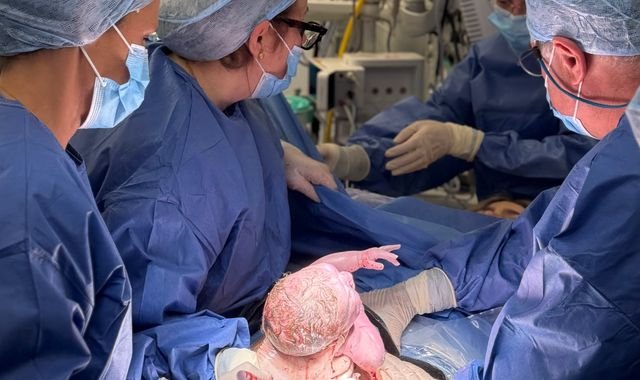
In December 2025, the UK womb transplant baby was delivered via caesarean section at Queen Charlotte’s and Chelsea Hospital in London.
According to reports from The Guardian, both mother and baby are doing well.
Who Is the Baby?
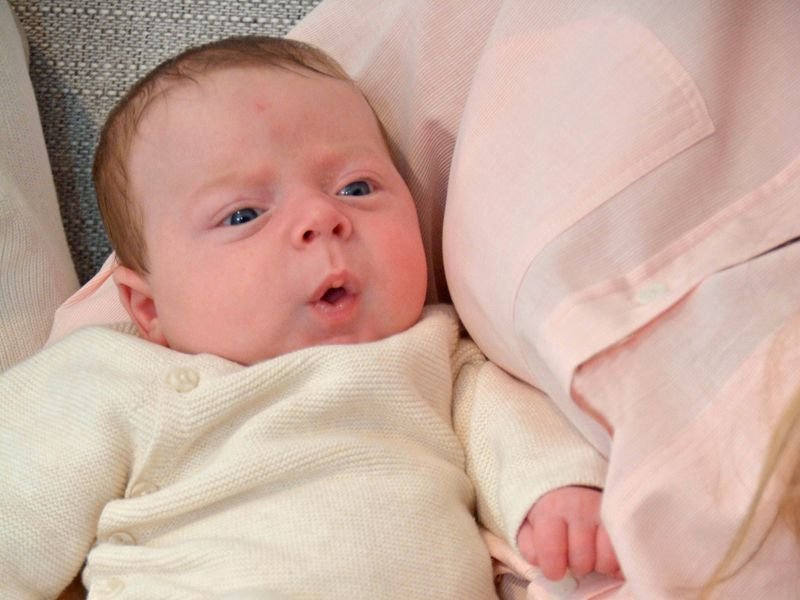
The baby boy has been named Hugo Richard Norman Powell.
His birth marks the first time in the UK that a child has been born following a womb transplant from a deceased donor.
Multiple reputable outlets, including NHS Blood and Transplant, confirmed the breakthrough and described it as part of a pioneering research programme:
The donor’s family reportedly expressed pride in knowing that their loved one’s donation helped create life.
That detail alone makes the story even more powerful.
The UK womb transplant baby represents both medical innovation and the generosity of organ donation.
How the Procedure Works
Let’s break it down simply.
The journey to the birth of the UK womb transplant baby involved several stages:
1. Womb Transplant Surgery – Surgeons transplanted a healthy uterus from a deceased donor.
2. Recovery & Monitoring – The recipient was placed on anti-rejection medication.
3. IVF Treatment – Embryos created from the mother’s eggs were implanted.
4. Pregnancy Monitoring – Doctors carefully observed for complications.
5. Caesarean Delivery – The baby was delivered safely.
Womb transplants are not permanent. In most cases, the transplanted womb is removed after one or two pregnancies to reduce long-term risks associated with anti-rejection drugs.
That’s why the birth of the UK womb transplant baby is such a controlled, carefully managed milestone.
Why This Matters Globally
The UK is not the first country in the world to record a womb transplant birth, Sweden pioneered the procedure over a decade ago.
However, this is the first successful birth in the UK from a deceased donor womb transplant, which presents different surgical and ethical considerations compared to living donors.
According to coverage by BBC News, this milestone opens doors for further research and could expand fertility options for women born without a womb or who lost their uterus due to illness.
The birth of the UK womb transplant baby could pave the way for:
- More NHS-supported transplant programmes
- Expanded fertility research
- Greater awareness of organ donation
- Ethical conversations around reproductive medicine
This is not just about one family.
It’s about possibility.
The Emotional Side of the Story
Medical milestones can feel clinical.
But this one is deeply human.
The mother reportedly described holding her baby as “surreal” and overwhelming. After years of believing pregnancy was impossible, she carried and delivered her own child.
The UK womb transplant baby symbolizes hope for women with uterine factor infertility, a condition affecting thousands globally.
And behind the science lies a profound emotional truth:
Someone chose to donate.
A family said yes during a time of grief.
And that decision gave life to another family.
Ethical and Medical Considerations
While the story of the UK womb transplant baby is inspiring, experts emphasize that womb transplantation is still considered experimental in many countries.
Key considerations include:
- Long-term safety of immunosuppressant drugs
- Surgical risks
- Ethical allocation of medical resources
- Psychological screening of candidates
The UK programme is being conducted under strict ethical approval and clinical monitoring.
This is not a cosmetic procedure.
It is complex, high-risk surgery performed by highly specialized teams.
But the successful birth of the UK womb transplant baby suggests the science is advancing rapidly.
What Happens Next?
Medical experts expect further cases under the research programme.
The success of the UK womb transplant baby may encourage additional funding and wider clinical trials.
However, doctors caution that this procedure is not suitable for everyone. It remains highly selective and carefully regulated.
Still, it changes the narrative.
For women with MRKH syndrome or uterine loss due to cancer or complications, the possibility of carrying a pregnancy is no longer theoretical in the UK.
It’s proven.
The Bigger Picture: Organ Donation Awareness
Another powerful layer to the story of the UK womb transplant baby is the conversation around organ donation.
Organ donors often save lives.
In this case, a donor helped create one.
NHS Blood and Transplant continues to encourage people to register as organ donors to support life-saving and life-changing procedures.
Stories like this remind us that donation goes beyond kidneys and hearts.
Sometimes, it gives someone the chance to become a mother.
Conclusion
The birth of the UK womb transplant baby is more than a medical headline.
It is a breakthrough in reproductive medicine.
It is a testament to surgical innovation.
It is a symbol of hope for women with uterine infertility.
And it is a powerful reminder of the generosity behind organ donation.
Science made it possible.
A donor made it meaningful.
A family made it miraculous.
The UK womb transplant baby will likely be remembered as the moment the impossible became possible in British medicine.
And for many women watching this story unfold, it represents something priceless:
Hope.
If You Enjoyed This Story
If you enjoyed reading about the UK womb transplant baby and this historic medical breakthrough, share this article and follow our blog for more global health and innovation updates.
Stories like this remind us that medicine isn’t just about treatment, it’s about transformation.
🔥Trending Nowstuff.