
Nigerians woke up to news about a new tax law. And before most people could even sit with what it actually means, the arguments had already started flying around.
Honestly, the Nigeria new tax law took everyone by surprise, myself included. I’ve seen the posts. The hot takes. The panic. The anger.
But it feels like we’re reacting faster than we’re understanding.
This isn’t to downplay people’s concerns, they’re valid.
But it’s also a reminder of how quickly information turns into controversy, especially when clarity hasn’t fully landed yet.
Maybe this is one of those moments where we slow down,read properly, ask better questions, and try to understand what’s really changing, and how it affects us.
Because not every policy conversation needs to start with noise. Some need clarity first.
In a country where many people are already struggling to keep up with daily costs, the Nigeria new tax law instantly became more than a policy update. It became a personal issue. One that touches salaries, small businesses, transport fares, food prices, and survival itself.
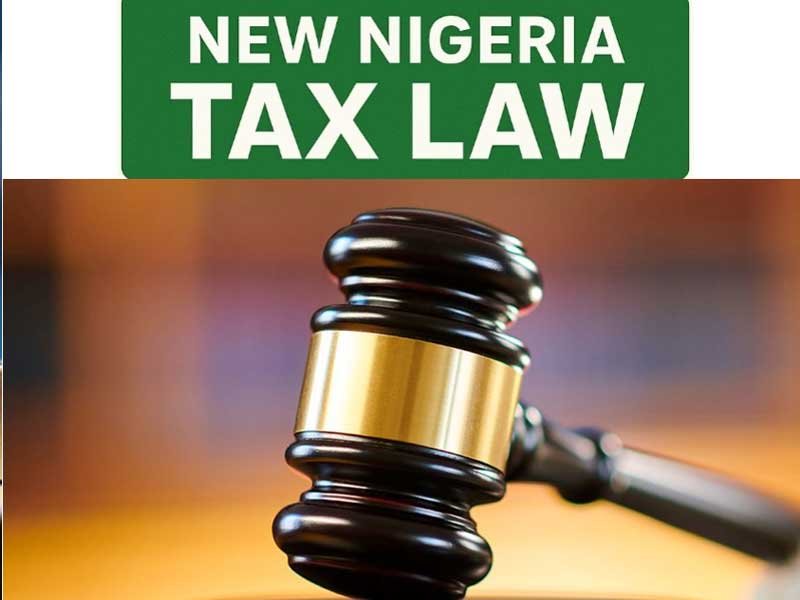
Within days, the conversation shifted from “what does this law say?” to “was this law even legitimate?”, after claims surfaced that parts of the document may have been forged.
And that’s where things got messy.
What Is the Nigeria New Tax Law?
At its core, the Nigeria new tax law is part of the federal government’s effort to increase revenue and widen the tax net.
According to the federal inland revenue service, the goal is simple on paper:
- Improve tax collection
- Reduce reliance on borrowing
- Fund infrastructure and public services
But in reality, tax laws are never just about numbers. They affect real lives.
Many Nigerians already feel overtaxed without seeing clear returns, unreliable electricity, rising fuel costs, poor healthcare, and limited social safety nets. So when new tax measures are introduced, trust becomes a major factor.
And trust, right now, is in short supply.
Why Nigerians Are Angry About the Nigeria New Tax Law
The backlash didn’t start just because it’s a tax law. It started because of timing and burden.
For millions of Nigerians:
- Inflation is already high
- The cost of living keeps rising
- Wages remain largely stagnant
So the fear is simple:
Who will really pay for this?
Critics argue that the Nigeria new tax law appears to place more pressure on ordinary citizens and small businesses, while wealthier individuals and corporations often find ways around the system.
Peter Obi’s comment that it is “unfair to tax poor people” echoed what many Nigerians were already thinking, and feeling.
The Forgery Allegations That Changed Everything
Just as Nigerians were trying to understand the policy, allegations surfaced that parts of the Nigeria new tax law document may have been forged or improperly processed.
That claim alone shifted the conversation.
Because if a law that affects millions is questioned at the documentation level, it raises serious concerns:
- Was due process followed?
- Were lawmakers fully informed?
- Can citizens trust what they’re being asked to comply with?
According to premium times, Government officials have denied wrongdoing and insisted that the law followed legal procedures. Still, the damage was done.

Once people begin to doubt the process, even valid policies lose credibility.
Nigeria New Tax Law and the Trust Problem
This is where the issue goes deeper than tax.
The Nigeria new tax law exposed a long-standing problem, a communication gap between government decisions and public understanding.
Many Nigerians first heard about the law through social media arguments, not clear official explanations. There was confusion over:
- What exactly changed
- Who it affects most
- When enforcement begins
Silence or vague explanations only fuel suspicion.
When people don’t understand a law, or don’t trust how it was made, resistance is inevitable.
Who Is Really Affected by the Nigeria New Tax Law?
On paper, tax reforms are meant to be broad and balanced.
In reality, the people who feel it first are:
- Small business owners
- Salary earners
- Freelancers and traders
- Everyday consumers
Any increase in taxes tends to trickle down. Businesses raise prices. Transport costs rise. Food becomes more expensive.
So even people who don’t directly pay new taxes still feel the impact.
That’s why the Nigeria new tax law doesn’t feel abstract, it feels immediate.
Government’s Position on the Nigeria New Tax Law
The federal government maintains that:
- The law is legal
- The process was followed
- Tax reform is necessary for national development
Officials argue that Nigeria cannot function properly without improving revenue, and that long-term benefits will outweigh short-term discomfort.
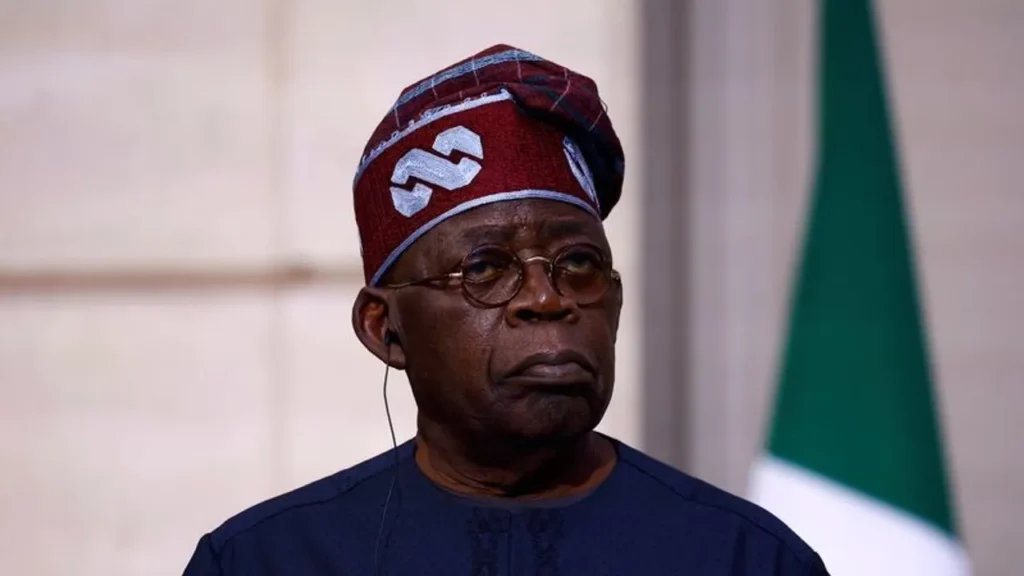
That argument may be economically sound, but economics alone doesn’t calm people who already feel stretched thin.
Why This Debate Isn’t Going Away Anytime Soon
The Nigeria new tax law has become symbolic.
It now represents:
- Economic pressure
- Trust in leadership
- Transparency in governance
- Who carries the weight of reform
Even if amendments are made or clarifications released, the conversation has already shifted public awareness.
People are paying closer attention.
And once citizens start questioning policies loudly, it becomes harder for future reforms to pass quietly.
My Take on the Nigeria New Tax Law
This isn’t about being anti-government or anti-reform.
Nigeria needs structure. It needs revenue. It needs systems that work.
But reforms work best when people understand them and feel included in the process.
The Nigeria new tax law may be legal. It may even be necessary. But the way it was introduced, amid economic strain and unclear communication, made resistance almost inevitable.
Tax laws don’t just require enforcement.
They require trust, and trust is built through transparency, not pressure.
What Happens Next?
For now:
- Discussions continue
- Clarifications are being demanded
- Public pressure remains strong
Whether the Nigeria new tax law is adjusted, defended, or reworked, one thing is clear, Nigerians are no longer passively accepting policies without questions.
And that shift matters.
Conclusion
The Nigeria new tax law is not just a financial policy.
It’s a mirror.
It reflects how decisions are made, how information is shared, and how much the public feels heard.
This conversation won’t end overnight. But it has already done something important — it reminded people that policies affect lives, and silence should never be the default.
If nothing else, this moment has proven that Nigerians are paying attention.
And that, on its own, is powerful.
Stay Connected
If this piece helped you understand the issue beyond the headlines, share it with someone who’s also trying to make sense of what’s happening.
At Keridam, we don’t just report the news, we break it down, ask the uncomfortable questions, and tell the stories the way people actually experience them.
Follow us for more:
- Instagram – real-time updates & trending conversations
- X (Twitter) – breaking news and sharp takes
- Facebook – full stories and discussions
- LinkedIn – thoughtful insights and analysis
And keep reading the blog for entertainment, news, quizzes, and stories that go beyond surface-level headlines.
🔥Trending Nowstuff.