No products in the cart.
Nestlé Baby Formula Recall Sparks Global Safety Alarm
Parents around the world are on alert after a major Nestlé baby formula recall was announced due to concerns that some products may contain a toxin known to cause food poisoning in infants.
The recall affects several well-known baby formula brands across multiple countries and was issued as a precautionary measure following internal safety testing, not because of confirmed illness reports.
According to Reuters, Nestlé confirmed it was recalling certain infant formula batches after identifying a potential food safety risk during routine checks
This characteristic has raised questions among health experts and parents alike, as it means that normal boiling, mixing, or storage practices would not neutralise the risk if contamination were present.
While Nestlé has emphasised that the recall is preventive and that no illnesses have been directly linked to the affected products so far, the situation highlights how sensitive infant nutrition safety is.
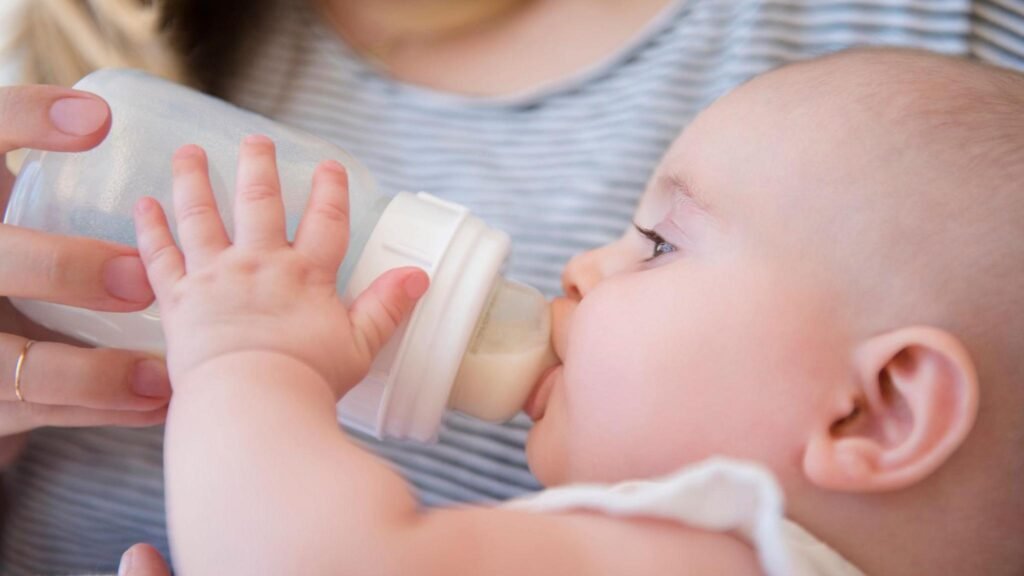
Baby formula is often a primary or sole source of nourishment for infants, making even potential risks a serious matter for caregivers and regulators.
The recall also brings attention to the role of internal quality control systems and how early detection can influence public health outcomes.
By acting during routine testing, the company has moved to limit possible exposure before widespread harm occurs, a factor that will likely shape how this recall is assessed by food safety authorities and the public.
As parents seek clarity on what products are affected, where they were distributed, and what steps to take next, understanding the scope and science behind the Nestlé baby formula recall becomes essential.
Let’s take a closer look at the toxin involved, how it enters food products, and why infant formula requires especially strict safeguards.
What Triggered the Nestlé Baby Formula Recall
Nestlé stated that the Nestlé baby formula recall was initiated after quality controls detected a potential contamination risk linked to cereulide, a toxin produced by certain strains of Bacillus cereus bacteria.
Sky News reports that cereulide is especially dangerous because it remains active even after boiling or cooking
The issue was traced back to an ingredient supplied to manufacturing facilities, prompting Nestlé to act before any confirmed illnesses were reported.
Reuters emphasised that the recall is precautionary, not reactive
This early intervention highlights how seriously infant nutrition safety is treated, even in the absence of reported harm.
Products Affected by the Nestlé Baby Formula Recall
The Nestlé baby formula recall affects specific batches of popular brands including SMA, BEBA, and NAN infant and follow-on formulas.
According to multiple reports, affected products were distributed across several European countries, including the United Kingdom, France, Germany, Ireland, Italy, Switzerland, Denmark, Norway, Austria, and Finland.
A detailed regional breakdown was reported here
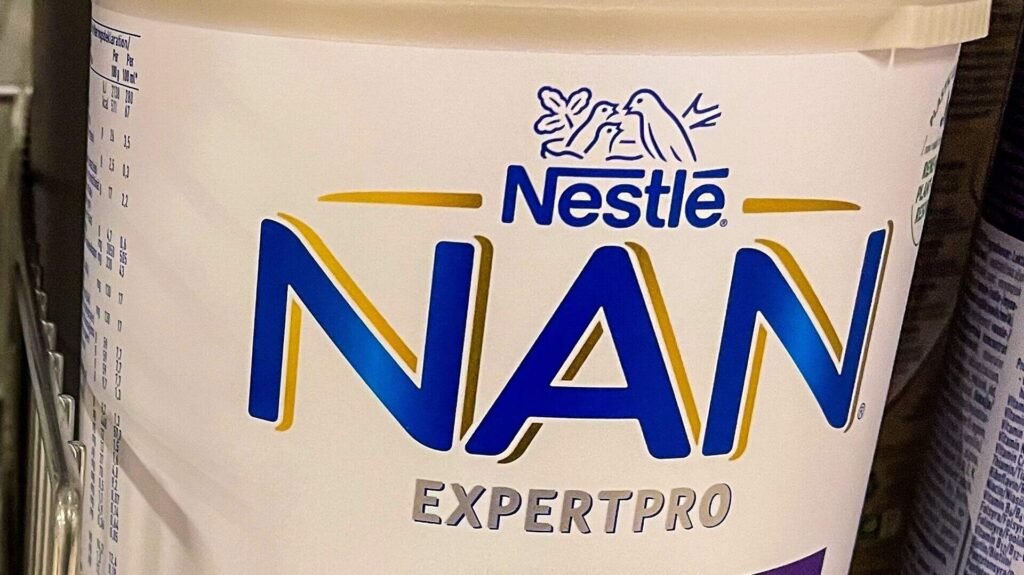
Britain’s Food Standards Agency also warned that the toxin involved cannot be neutralised through normal preparation methods:
Parents are advised to check batch numbers published by Nestlé or local regulators and avoid using any affected products.
Why Cereulide Is a Serious Concern
Cereulide is a heat-stable toxin produced by certain strains of Bacillus cereus, a bacterium commonly found in the environment, including soil, dust, and raw food ingredients.
What makes cereulide particularly concerning is that it is formed in food before consumption and, once present, cannot be destroyed by cooking, reheating, or standard food preparation methods.
Unlike many foodborne bacteria that are eliminated through heat treatment, cereulide remains biologically active even at very high temperatures. This means that boiling water, sterilisation, or normal formula preparation processes do not neutralise the toxin if contamination has already occurred earlier in the production or storage chain.
Health experts cited by Sky News explain that cereulide is most commonly associated with rapid-onset food poisoning.
Symptoms can appear within one to six hours of ingestion and may include
- vomiting
- nausea
- abdominal pain, and
- diarrhoea.
In some cases, vomiting is the dominant symptom and can be severe, leading to dehydration if not managed promptly.
Medical sources further note that cereulide acts directly on the gut and nervous system by disrupting cellular function. In rare but serious cases, particularly when exposure levels are high, the toxin has been linked to liver stress and metabolic complications.
While such outcomes are uncommon, they underline why even the possibility of cereulide presence in infant food products is taken extremely seriously by regulators.
Infants are especially vulnerable because their digestive systems and immune defences are still developing. Their lower body weight also means that smaller amounts of toxin can have a proportionally greater effect compared to adults.
This heightened sensitivity is a key reason why the Nestlé baby formula recall is being handled with increased caution, even in the absence of confirmed illness reports.
Food safety authorities generally emphasise that recalls involving infant nutrition are guided by a zero-tolerance approach to risk. When a toxin like cereulide is involved, one that cannot be removed once formed, the focus shifts from treating illness to preventing any potential exposure at all.
Guidance From Health Authorities
Health agencies across affected regions are urging parents and caregivers to:
- Stop using recalled formula immediately
- Check official recall notices
- Dispose of affected products safely
- Seek medical advice if symptoms occur
Additional recall guidance can be found here
Authorities continue to stress that this is a preventive measure designed to eliminate potential risk before harm occurs.
Nestlé’s Official Response
Nestlé has described the Nestlé baby formula recall as voluntary and precautionary, stating that it is cooperating fully with food safety authorities.
The company has published affected batch numbers and confirmed that refunds or replacements are available where applicable. Financial and regulatory coverage of Nestlé’s response was documented.
Nestlé has also reiterated its commitment to infant nutrition safety and quality control.
Why the Nestlé Baby Formula Recall Is Important
Even without confirmed illness reports, the Nestlé baby formula recall underscores how critical food safety standards are for infant products. Regulatory systems are designed to prioritise prevention over reaction, especially when vulnerable populations are involved.
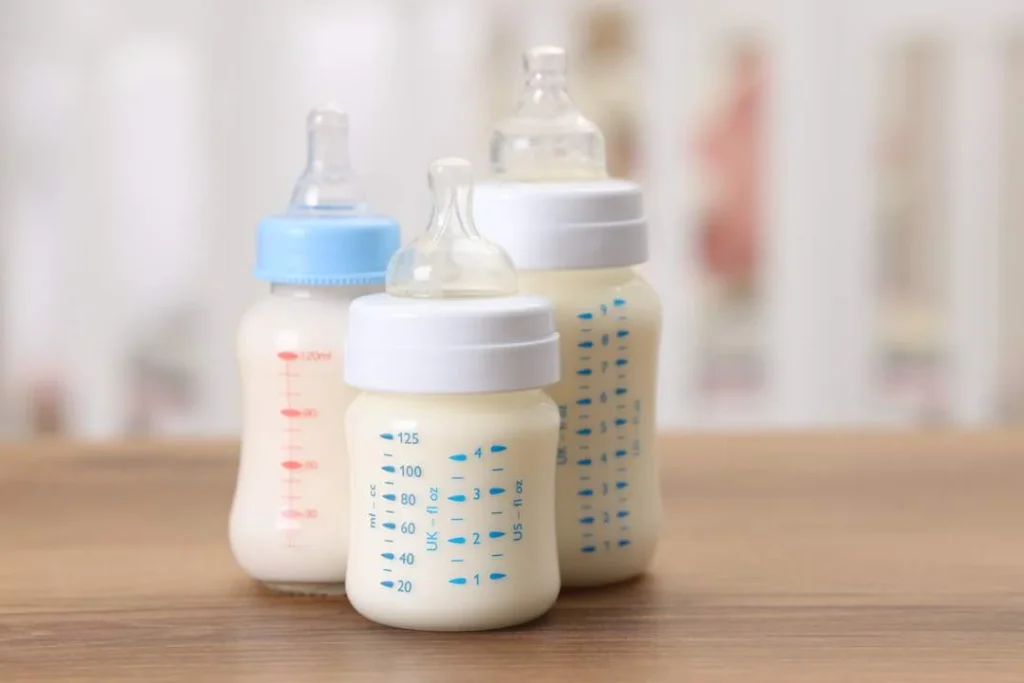
Recent formula-related recalls globally have reinforced the importance of early detection and swift action, helping to maintain trust in infant nutrition supply chains.
Final Note for Parents and Caregivers
The Nestlé baby formula recall is not a story of panic, it is a story of prevention, accountability, and food safety working as intended.
It is a reminder of how closely food safety is monitored, especially when it concerns infants. While no confirmed illnesses have been reported, the decision to act early reflects the importance of prevention in public health and infant nutrition.
By acting early, communicating publicly, and cooperating with regulators, Nestlé and health authorities have prioritised infant safety above all else.
For parents and caregivers, staying informed, checking product batch numbers, and following guidance from health authorities remain the most important steps. As investigations continue and more updates are released, clarity and transparency will remain essential.
If you found this article helpful, like, share, and comment to help other parents and caregivers stay informed. Also, let us know what you think about the Nestlé baby formula recall
Follow our blog and connect with us on Instagram, Facebook, Twitter (X), and LinkedIn for verified health news, safety updates, and evidence-based insights that matter.
SHARE: