No products in the cart.
Liam Rosenior Chelsea Appointment Until 2032 Signals a Bold New Era
There are football decisions that arrive with noise, urgency, and instant judgment, and then there are decisions that unfold more quietly, inviting analysis rather than outrage. The Liam Rosenior Chelsea appointment belongs firmly in the second category.
When Chelsea Football Club confirmed the appointment of Liam Rosenior as head coach on a contract running until 2032, the reaction wasn’t disbelief. It was curiosity. For a club long associated with rapid managerial turnover and short-term fixes, this move felt deliberate. almost restrained. And that restraint is exactly what has made the Liam Rosenior Chelsea appointment so intriguing.

Rather than chasing a high-profile name or reacting to immediate pressure, Chelsea appear to be asking a different question: Who can build something that lasts?
That question sits at the heart of why the Liam Rosenior Chelsea appointment matters, and why understanding the man behind the role is essential.
Why the Liam Rosenior Chelsea Appointment Matters
The modern Premier League rarely rewards patience. Managers are often judged in weeks rather than seasons, with short-term results carrying more weight than long-term direction.
Against that backdrop, appointing a head coach on a deal that runs until 2032 is not a routine decision. it is a deliberate statement about intent.
The Liam Rosenior Chelsea appointment reflects a conscious shift away from reactionary decision-making and toward something more measured. Rather than chasing immediate momentum or cosmetic fixes, Chelsea appear to be committing to a process that values structure, continuity, and long-term thinking.
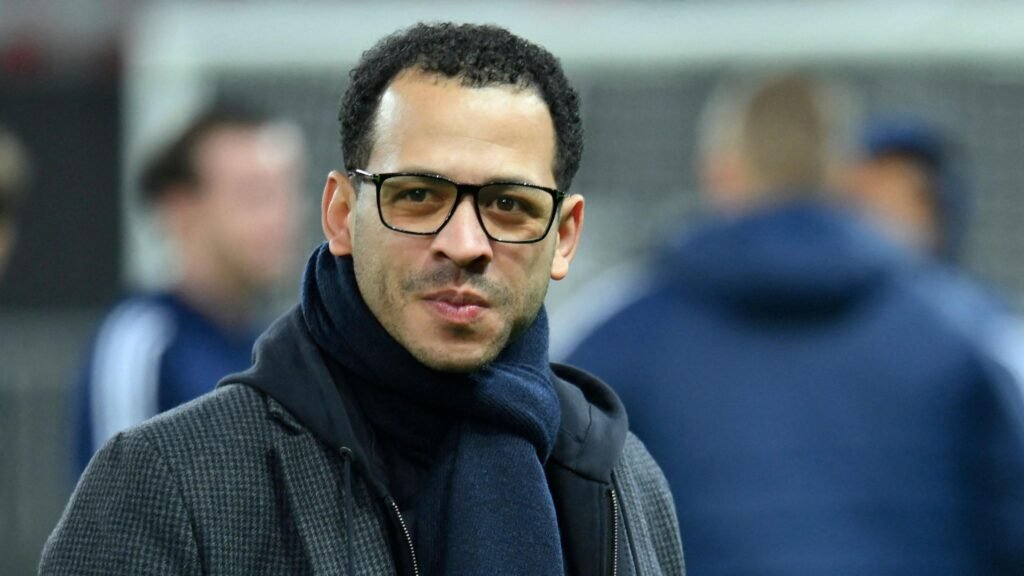
At its core, the Liam Rosenior Chelsea appointment signals a willingness to prioritise long-term planning over short-term panic, tactical identity over temporary results, player development over constant disruption, and stability over the revolving-door approach that has defined recent seasons.
This is particularly significant for a club that has spent years cycling through managers, systems, and philosophies at speed. By choosing Rosenior and backing him with time, Chelsea seem to be acknowledging that progress cannot be forced, it has to be built.
According to Chelsea’s official announcement on the club’s website, the decision reflects confidence in Rosenior’s philosophy, leadership profile, and ability to develop players while building teams that improve gradually rather than peak briefly.
What makes this appointment stand out is not just the length of the contract, but what it demands in return: patience from supporters, restraint from the hierarchy, and trust in a process that will be judged over years rather than months.
In a league driven by urgency, Chelsea appear to be testing whether long-term belief can still be a competitive advantage.
Who Is Liam Rosenior? Understanding Chelsea’s Choice
For many supporters, the Liam Rosenior Chelsea appointment raised an honest question: Who exactly is he?
Rosenior’s coaching journey has been steady rather than sensational. After early coaching roles at Derby County and Hull City, he moved into European football with RC Strasbourg in Ligue 1, where his reputation grew significantly.
At Strasbourg, Rosenior guided the club to a strong league finish and European qualification, earning praise for tactical balance, disciplined structure, and intelligent use of young players. His profile on Transfermarkt highlights a coach whose teams consistently outperform expectations rather than rely on star power.
This background helps explain the Liam Rosenior Chelsea appointment. Chelsea are not buying hype, they are investing in method.
Why Chelsea Appointed Rosenior Instead of a “Big Name”
In recent seasons, Chelsea’s managerial carousel has become almost symbolic of instability. Big appointments arrived with big expectations, and left just as quickly.
The Liam Rosenior Chelsea appointment represents a break from that pattern.
Instead of chasing a global superstar coach, Chelsea opted for:
- A tactician comfortable working with data and structure
- A manager experienced in player development
- A leader used to building cohesion rather than inheriting finished squads
As the Premier League increasingly shifts toward long-term projects, Chelsea appear to be aligning with that trend rather than fighting it.
What the 2032 Contract Really Signals
A deal lasting until 2032 is rare, and intentional.
When Chelsea made the Liam Rosenior Chelsea appointment, they didn’t just hire a coach. They set expectations internally and externally. This contract:
- Reduces reactionary decision-making
- Gives Rosenior authority to shape culture
- Signals patience to players and staff
It also places responsibility squarely on alignment. Long contracts only work when ownership, recruitment, and coaching philosophy move in the same direction.
What Rosenior Has Said Since the Appointment
In his first comments after the Liam Rosenior Chelsea appointment, Rosenior described the role as a “huge honour” and emphasised unity, long-term growth, and identity over quick wins.

According to coverage from BBC Sport, Rosenior highlighted the importance of structure, trust, and connection, themes that align closely with Chelsea’s stated vision.
His messaging reinforces why Chelsea believe he fits this moment in the club’s evolution.
What This Means for Chelsea’s Identity
The Liam Rosenior Chelsea appointment goes beyond tactics and team sheets. It speaks to identity.
Chelsea have spent years oscillating between rebuilds and resets. This move suggests a shift toward:
- Strategic continuity
- Youth integration
- Clear footballing principles
For supporters, this doesn’t guarantee instant success. But it does offer something different: direction.
Fan Reaction: Hope, Curiosity, and Caution
Reaction to the Liam Rosenior Chelsea appointment has been mixed, and understandably so.
Some fans welcome the stability and long-term thinking. Others worry about whether patience will truly be afforded if results dip. But almost everyone agrees on one thing: this feels different.
Not louder. Not flashier. Just more intentional.
What Comes Next
Rosenior’s early matches will be scrutinised, but the real evaluation of the Liam Rosenior Chelsea appointment won’t happen in weeks. It will unfold over seasons, through recruitment choices, tactical consistency, and cultural shift.
Chelsea aren’t promising immediate answers. They’re opening a process.
And for the first time in a while, that process appears to have time.
Conclusion
What do you think about the Liam Rosenior Chelsea appointment until 2032?
Share your thoughts respectfully in the comments.
Follow us on Instagram, Facebook, X (Twitter), and LinkedIn, and also on the blog for more Premier League insight and analysis beyond the headlines.
SHARE: