No products in the cart.
Shocking Attack: Indian Tourist Beaten in Pattaya Dispute
I’ve read countless travel stories online, funny ones, chaotic ones, even cautionary tales. But some reports stay with you longer than others, especially when they expose how quickly a seemingly ordinary night can take a dangerous turn.
That’s exactly what makes the case of an Indian tourist beaten in Pattaya so unsettling.
In the early hours of December 27, 2025, a 52-year-old Indian tourist, Raj Jasuja, was reportedly assaulted by a group of transgender women on Pattaya Walking Street in Thailand after a disagreement over payment for alleged sexual services.
What should have been another busy night in one of Asia’s most famous nightlife hubs instead turned into an incident now drawing international attention.
According to Hindustan Times, the incident occurred around 5:30 a.m., when a dispute escalated into violence, leaving the Indian tourist beaten in Pattaya with injuries to his face and head.
What Happened on Walking Street?
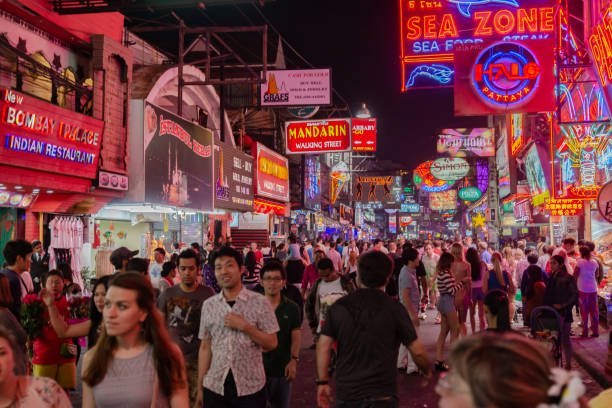
Pattaya Walking Street is known worldwide for its bright lights, crowded bars, and nonstop nightlife. For many visitors, it represents excitement and freedom. But for Raj Jasuja, it became the scene where an Indian tourist was beaten in Pattaya following a disagreement that spiraled out of control.
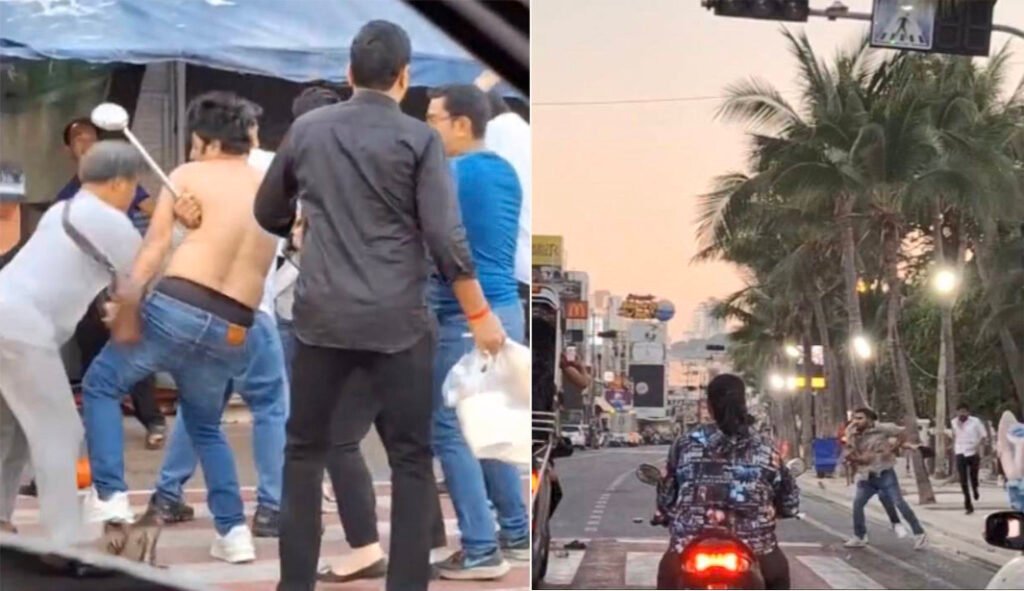
Local outlet, The Thaiger reported that the conflict began after Jasuja allegedly refused to pay an agreed amount for services. One individual reportedly called others to the scene, leading to a group assault that was captured on video and widely shared online. You can view it here
Witnesses say the Indian tourist beaten in Pattaya was surrounded and struck multiple times before the situation was eventually broken up. He was later taken to Pattamakun Hospital for medical treatment.
Police Response and Investigation After Indian Tourist Beaten in Pattaya
Thai police have confirmed that they are aware of the incident involving the Indian tourist beaten in Pattaya, but investigations are expected to move forward only after a formal complaint is filed.
Authorities explained that while video evidence exists, official legal action typically requires a statement from the victim. Until that happens, the case remains under preliminary review.
This detail is crucial, as many cases where an Indian tourist is beaten in Pattaya or other tourist-heavy areas go unresolved due to the complexities of filing complaints abroad.
Why the Indian Tourist Beaten in Pattaya Case Matters
This incident is not just about one violent encounter. The story of the Indian tourist beaten in Pattaya has reignited conversations around:
- Tourist safety in nightlife districts
- Misunderstandings over services and payments
- Group violence and escalation
- The risks of late-night confrontations abroad
According to Thai Examiner, Pattaya has a history of disputes involving tourists in nightlife zones, often fueled by alcohol, miscommunication, or unmet expectations.
Cases where an Indian tourist is beaten in Pattaya often gain traction not just because of the violence, but because they expose the fragile line between entertainment and danger.
The Human Story Behind the Indian Tourist Beaten in Pattaya
Online, stories like this rarely stay neutral for long. They quickly turn into debates, threads filled with assumptions, moral judgments, cultural stereotypes, and half-informed opinions. Some people focus on who was “wrong.” Others argue about nightlife ethics or local laws.
But in the noise, it becomes easy to forget the most important part of the story: the human being at the center of it.
At the heart of this incident is an Indian tourist beaten in Pattaya, injured, shaken, and far from home, in a country where he may not fully understand the language, the legal system, or what comes next.
Traveling abroad already places people in vulnerable positions. You’re outside your comfort zone, relying on unfamiliar systems, and often navigating cultural differences in real time.
When violence enters that picture, it doesn’t just leave physical marks, it creates fear, confusion, and a sense of isolation that’s hard to explain unless you’ve experienced it.
For the Indian tourist beaten in Pattaya, the incident didn’t end when the punches stopped. There was the shock of what had happened, the pain of injuries, the stress of medical treatment, and the uncertainty of dealing with authorities in a foreign country.
There’s also the emotional toll, replaying events, wondering what could have been done differently, and coping with the humiliation that often follows public incidents captured on camera.
What’s often overlooked in cases where an Indian tourist is beaten in Pattaya is how quickly the internet moves on. Videos trend. Headlines circulate. Opinions are formed. Then attention shifts elsewhere. But for the person involved, recovery doesn’t follow a news cycle.
Healing from an incident like this can take weeks or months, not just physically, but mentally. Trust is shaken. Confidence is affected. Even future travel plans can feel intimidating. A place once associated with excitement or escape may forever be linked to fear.
It’s also worth remembering that once a story goes viral, the individual involved loses control of their narrative. Clips are shared without context. Comments pile up. Strangers dissect decisions made in a stressful moment, often without empathy. For someone already dealing with trauma, that public scrutiny can deepen the impact.
The story of the Indian tourist beaten in Pattaya is not just about a late-night dispute or a tourist hotspot gone wrong.
It’s about how vulnerable people can be when situations escalate, how quickly joy can turn into danger, and how essential empathy is when discussing real lives, not just viral headlines.
In the end, beyond debates and judgments, this remains a deeply personal experience for the man involved, one that won’t simply fade because the internet has moved on.
Travel Lessons From the Indian Tourist Beaten in Pattaya Incident
The case of the Indian tourist beaten in Pattaya serves as a sobering reminder for travelers everywhere.
- Experts consistently advise:
- Avoid confrontations late at night
- Walk away from disputes, even if you feel wronged
- Understand local norms and expectations
- Prioritize safety over proving a point
While none of these guarantees protection, incidents where an Indian tourist is beaten in Pattaya show how quickly situations can deteriorate when tensions rise.
What Happens Next in This Pattaya Case?
For now, police say further action depends on formal legal steps. Whether arrests or charges will follow remains unclear.
What is clear is that the story of the Indian tourist beaten in Pattaya has already spread far beyond Thailand, raising renewed concerns about nightlife safety and tourist vulnerability.
As more details emerge, authorities and observers alike will be watching closely.
Conclusion
The story of the Indian tourist beaten in Pattaya is unsettling precisely because it feels real and uncomfortably close to home. One disagreement. One crowded street. One moment where things spiraled beyond control.
It’s a reminder that travel, especially in unfamiliar nightlife spaces, carries risks that are easy to underestimate until something goes wrong. And once it does, the consequences can follow you long after the night ends.
If this story made you reflect on travel safety, personal boundaries, or how quickly situations can escalate, your perspective matters.
- Drop a comment below, keep it thoughtful and respectful.
- Follow our blog for verified updates, deeper context, and stories that go beyond the headline.
- Follow us on Instagram, Facebook, X (Twitter), and LinkedIn for ongoing coverage, responsible reporting, and global stories that put people first.
SHARE: