No products in the cart.
Mastering Your Finances: The Ultimate Guide to Budgeting for Savings and Investments While Enjoying Life in 2026
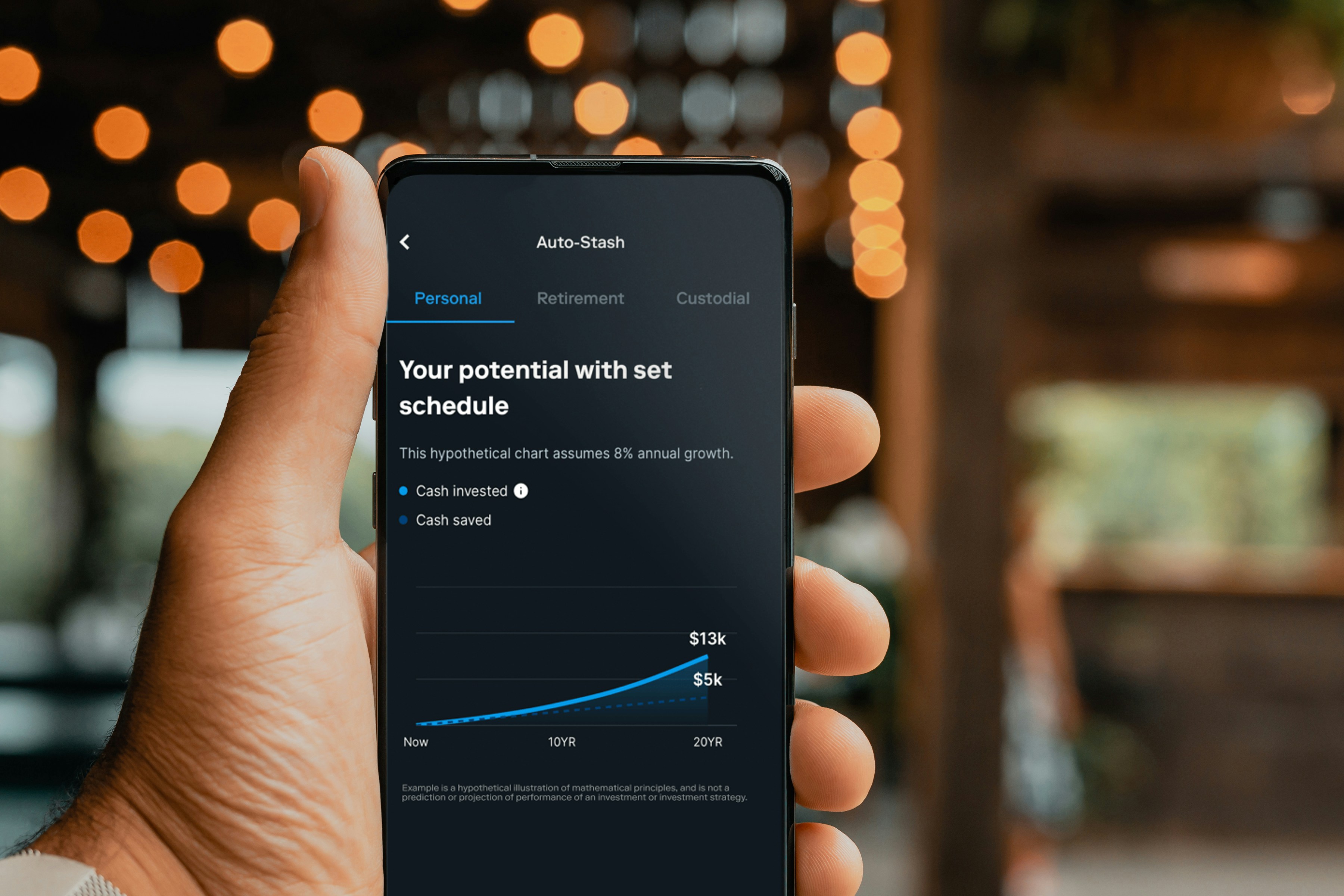
Understanding the Importance of Budgeting
Budgeting is a fundamental tool in financial management, serving as a roadmap for individuals and families alike. It provides a structured approach to track income and expenses, allowing for informed decisions regarding spending and saving. By establishing a budget, individuals can visualise their financial landscape, identify spending habits, and allocate resources more effectively. This enables them to manage their finances proactively, rather than reacting to financial challenges as they arise.
The effectiveness of budgeting extends beyond mere tracking of financial activities; it lays the foundation for effective savings and investments. By carefully allocating funds to various categories, such as essentials, discretionary spending, and savings, individuals can prioritise their financial goals. The discipline of sticking to a budget generally improves one’s ability to accumulate savings over time, which can subsequently be utilised for investments or future needs. Additionally, it creates a safety net that aids in unexpected financial circumstances.
Moreover, budgeting is not only a practical finance-management tool; it also encompasses significant psychological benefits. It can reduce financial stress by providing clarity and control over one’s financial situation. When individuals recognise that they have a plan in place, it fosters a greater sense of security. This emotional aspect of budgeting is crucial for achieving long-term financial freedom, as it allows people to enjoy life without the constant worry of overspending or falling short of their goals. Establishing a budget is truly essential for living a fulfilling life while pursuing financial stability.
Moreover, budgeting is not only a practical finance-management tool; it also encompasses significant psychological benefits. It can reduce financial stress by providing clarity and control over one’s financial situation. When individuals recognise that they have a plan in place, it fosters a greater sense of security. This emotional aspect of budgeting is crucial for achieving long-term financial freedom, as it allows people to enjoy life without the constant worry of overspending or falling short of their goals. Establishing a budget is truly essential for living a fulfilling life while pursuing financial stability.
Setting Your Financial Goals
Establishing clear financial goals is an essential first step in the budgeting process, as these objectives guide one’s spending and saving strategies. Financial goals can be classified as either short-term or long-term. Short-term goals typically involve immediate needs, such as building an emergency fund, saving for a vacation, or making a significant purchase. Long-term goals often focus on bigger aspirations like retirement savings, home ownership, or investment growth. Understanding the distinction between these two types of goals can help individuals create a structured financial plan that complements their lifestyle and visions for the future.
When setting financial goals, it is crucial to align them with personal values and lifestyle choices. For instance, a desire to travel may influence how much one aims to save monthly for a future trip. Similarly, the goal of financial independence in retirement may guide the amount to be allocated towards investments or retirement accounts. Prioritising goals based on their importance and urgency can enhance motivation and commitment, ultimately leading to increased success in achieving them.
To facilitate the goal-setting process, consider implementing the SMART criteria: Specific, Measurable, Achievable, Relevant, and Time-bound. This approach ensures that each financial objective is not just a vague wish list but rather a realistic plan that users can track and adjust as needed. For example, instead of setting a generic goal to ‘save money’, one could specify saving $5,000 for a vacation by the end of the year. By breaking down broader, long-term goals into manageable steps and milestones, individuals can foster a sense of accomplishment, which will motivate them to continue their financial journey.
Creating a Simple Budgeting Plan
Establishing a budgeting plan is a crucial step toward mastering your finances, allowing for savings and investments while still enjoying life. The first step in this process is to identify a suitable budgeting method. One popular approach is the 50/30/20 rule, which allocates 50% of your income to necessities, 30% to discretionary spending, and 20% to savings and investments. This method enables you to maintain a balanced financial lifestyle.

Next, you should track your income and expenses diligently. Various tools such as budgeting apps, spreadsheets, or even pen and paper can help streamline this tracking process. Popular apps include Mint, YNAB (You Need A Budget), and PocketGuard, which offer user-friendly interfaces and features to categorise spending. For a more personalised approach, creating a detailed spreadsheet can provide greater flexibility in tracking your finances.
Once you have a clear understanding of your finances, it’s time to analyze your spending patterns. Identify unnecessary expenses such as frequent dining out or unused subscriptions—that can be reduced or eliminated. Reducing these costs will free up more funds to be redirected towards savings and investments, allowing for future growth without significantly impacting your current lifestyle.
Additionally, consider setting specific financial goals. This could involve saving for a vacation, a down payment on a home, or building an emergency fund. By prioritizing these goals, you can focus your financial resources effectively while still enjoying some leisure activities. A well-structured budget should be realistic, accommodating your lifestyle while ensuring that saving and investing remain paramount. Regularly review and adjust your budget as necessary, ensuring it meets your changing needs and financial goals over time.
Finding Balance in Budgeting
Maintaining discipline while adhering to a budgeting plan does not have to mean sacrificing enjoyment in life. Achieving the right balance between saving, investing, and indulging in pleasurable activities is fundamental for a sustainable financial approach. One effective strategy involves allocating a specific portion of your budget to entertainment and leisure activities. By setting aside a designated amount each month for things that bring joy, you can ensure that personal enjoyment does not fall by the wayside as you pursue financial goals.
Celebrating Financial Milestones
Recognising and celebrating financial milestones is another essential aspect of maintaining motivation and commitment to your budgeting strategy. When you reach a significant savings goal, completing a debt repayment, or achieving an investment target, take the time to celebrate these accomplishments. Whether it’s treating yourself to a nice dinner, enjoying a weekend getaway, or indulging in a small luxury, celebrating your financial achievements reinforces the connection between discipline and enjoyment. These positive reinforcements make budgeting a rewarding experience rather than a restrictive one.
Incorporating Fun into Budgeting
Another strategy for integrating fun into your budgeting process is by gamifying your savings and investments. Set challenges for yourself, such as saving a certain percentage of your income or finding new ways to reduce expenses. This can transform budgeting from a tedious task into an engaging activity. Additionally, consider involving friends or family in your financial journey. By sharing your goals and progress, you can create a support system that enhances accountability while making budgeting social and enjoyable.
Conclusion
Balancing financial discipline with enjoyment is a vital aspect of mastering your finances. By implementing thoughtful strategies, celebrating achievements, and approaching budgeting with a positive mindset, you can successfully manage your finances while living a fulfilling life.
Are you still making financial plans for 2026, or have you started already? Share with us in the comment section. Read more at Keridam
SHARE: