No products in the cart.
Chimamanda Adichie Loses Her Son: A Heartbreaking Loss
Some news makes you stop and think twice. And not just that, but carries an unbearable weight.
This was me when i heard about the devastating news that Chimamanda Adichie loses her son born via surrogacy. It broke my heart in a thousand pieces and i begun to wonder just how much pain our renowned author, Chimamanda Adichie and her family is in.
For many, when the news broke that Chimamanda loses her son, the reaction was immediate and deeply emotional, not only because of who she is, but because of what such a loss represents. Known worldwide for her powerful storytelling and reflections on humanity, motherhood, and identity, this moment feels profoundly personal even from a distance.
For many readers, writers, and admirers, the news that Chimamanda Adichie loses her son is one of those stories that is difficult to process. It leaves you wondering how fickle life is and how life just goes on even when a person dies. Not because it is surrounded by controversy or speculation, but because it speaks to the rawest kind of grief, the loss of a child., and that is one of the saddest thing to ever happen to a person.
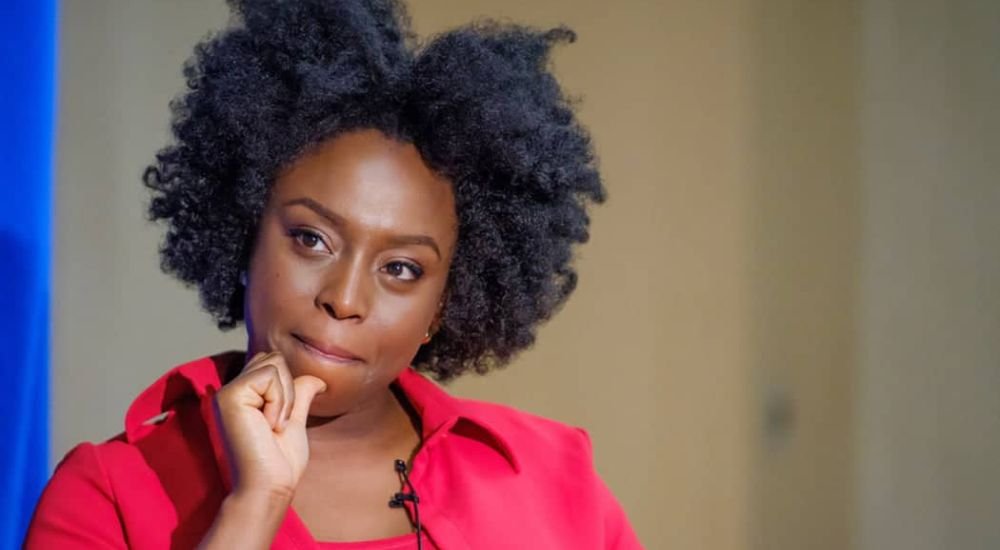
According to reports published by Punch Newspapers, Chimamanda Ngozi Adichie’s 21-month-old son passed away, a development that has drawn an outpouring of sympathy and quiet reflection across Nigeria and beyond.
As details remain limited,we really do not want to speculate but what stands out most is the shared human response to loss, a reminder that grief does not spare public figures, no matter how accomplished or celebrated they may be.
Chimamanda Adichie Loses Her Son at 21 Months
The confirmation that Chimamanda Adichie loses her son came through credible Nigerian media outlets, with reports stating that the child was just 21 months old at the time of his passing.
While the family has understandably kept the circumstances private, the age alone underscores the fragility and heartbreak of the loss. At barely two years old, a life full of promise was cut short, leaving behind questions that may never have answers.
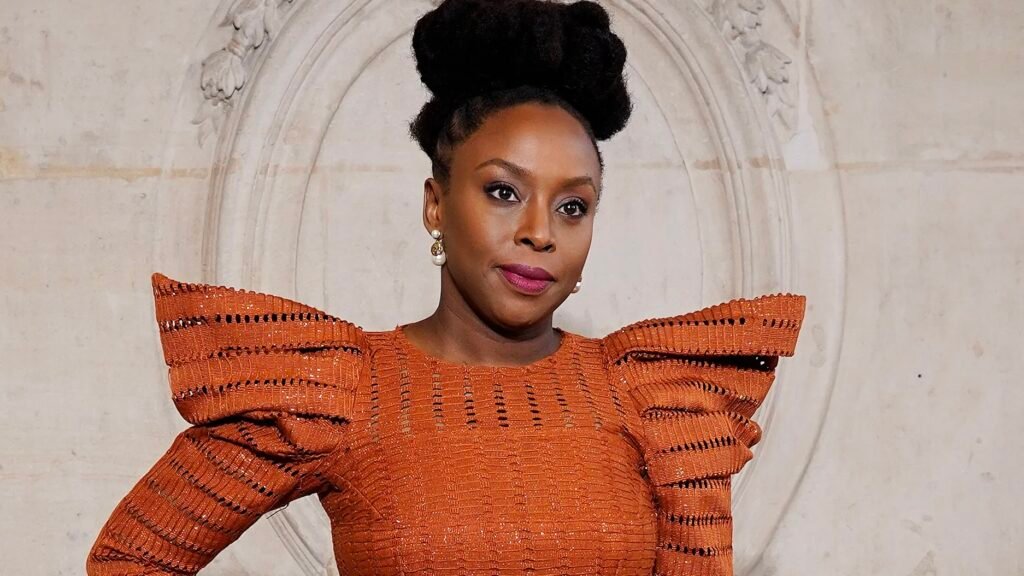
In the face of this unbearable news that Chimamanda Adichie loses her son, it becomes painfully clear that no amount of success, recognition, or global admiration can shield a parent from the depth of such loss.
Why This News Resonates So Deeply
The reason this story resonates so widely is not rooted in celebrity culture. It is rooted in connection.
For years, Chimamanda Adichie has written about identity, womanhood, family, and motherhood with rare honesty. In this sad situation that Chimamanda Adichie loses her son, readers naturally connect her public voice with a deeply private sorrow.
This moment reminds many that grief is universal. It does not discriminate by status, intellect, or influence. The same pain felt by families everywhere is now being quietly carried by someone whose words have shaped global conversations.
Public Reaction as Chimamanda Adichie Loses Her Son
Following the reports, reactions have been marked by restraint and respect.
Rather than speculation or intrusion, many responses have focused on empathy, silence, and solidarity. Writers, academics, readers, and public figures have expressed condolences, acknowledging the loss without demanding explanations.
As Chimamanda Adichie loses her son, the public response reflects an understanding that some moments are not meant for commentary, only compassion.
Privacy and Grief in the Public Eye
With this news now in public about Chimamanda Adichie losing her son, it also raises broader questions about grief and privacy.
Public figures often experience loss under a spotlight they did not ask for. Yet this situation has been handled with notable discretion by both the media and the public, allowing space for mourning without pressure.
That restraint matters. It recognises that behind every headline is a family navigating unimaginable pain.
Remembering the Human Story Behind the Headline
It is important to say this clearly: this story is not about legacy, productivity, or public expectation.
When Chimamanda Adichie loses her son, the focus should remain on humanity, not output. On healing, not timelines. On compassion, not curiosity.
Loss at this scale reshapes life in ways outsiders can never fully understand
A Moment That Transcends Fame
For readers around the world, the news that Chimamanda Adichie loses her son transcends literature, awards, and reputation.
It becomes a reminder of shared vulnerability, that even the most eloquent voices must sometimes sit in silence.
And in that silence, empathy matters more than words.
New Allegation Emerges With The Loss of Chimamanda Adichie’s Son
New information has now come to light regarding the circumstances surrounding the death of Chimamanda Ngozi Adichie’s son.
According to a report by ARISE News, Chimamanda Adichie has alleged medical negligence in connection with her son’s death at a Lagos hospital. This development marks a significant shift in public understanding of the tragedy, introducing questions that extend beyond grief into concerns about medical responsibility and patient care.
As reported, the allegation centres on the administration of propofol, a powerful sedative commonly used during medical procedures. The report states that the child was allegedly given an excessive dose by an anaesthesiologist, after which he became unresponsive. Despite efforts to stabilize him, the child reportedly did not recover.
While full clinical records and official medical findings have not been made public, the allegation suggests that the family believes there were critical failures in the care provided during a highly sensitive moment. As Chimamanda Adichie loses her son, the grief of that loss is now accompanied by the painful possibility that it may have been preventable, a reality that can deepen trauma for any parent.
At the time of reporting, the hospital involved had not issued a detailed public response, and it remains unclear whether formal investigations have been concluded or are ongoing. What is certain, however, is that the revelation has intensified public concern and renewed scrutiny around patient safety, medical oversight, and accountability within healthcare settings.
Medical Negligence Claims Raise Wider Questions Beyond Personal Loss
The allegation of medical negligence has resonated far beyond one family’s tragedy.
For many Nigerians and readers globally, the story now touches on systemic fears, concerns about hospital standards, emergency response, and accountability in moments when families are most vulnerable. The claim has prompted quiet but intense conversations about how medical errors, delayed interventions, or lapses in care can have irreversible consequences.
Importantly, this development does not transform the story into a public trial or spectacle. Instead, it underscores how grief can coexist with a search for answers. When Chimamanda Adichie loses her son, the focus remains on the human cost of loss, even as institutional questions begin to surface.
The situation also highlights the emotional burden families face when navigating loss alongside uncertainty. In cases involving alleged medical negligence, healing often becomes intertwined with the need for truth, clarity, and, in some cases, accountability.
As this aspect of the story continues to unfold, many observers are choosing restraint, recognising that the family deserves both privacy and space as they process not only grief, but the implications of this allegation.
What This Moment Asks of Us as Readers
As Chimamanda Adichie loses her son, the only appropriate response is care.
Care in how the story is shared.
Care in how it is discussed.
Care in recognising when to step back.
Some stories are not meant to be analysed. They are meant to be held gently.
Conclusion
The news that Chimamanda Adichie loses her son is devastating, not because of public status, but because of its deeply human truth.
It reminds us that grief is universal, love is fragile, and life can change without warning.
As readers, the most meaningful response is compassion. Let’s always remember to be kind and to speak with grace and empathy. What do you think of this devastating news:
- Share your thoughts respectfully in the comments.
- Follow our blog for thoughtful, human-centred storytelling.
- Connect with us on Instagram, Facebook, X (Twitter), and LinkedIn for more stories that matter beyond headlines.
And remember that we are always here to serve you.
SHARE: