No products in the cart.
Chile Wildfires Kill 18 as State of Emergency Is Declared
No one in Chile woke up expecting fire to be the story of the day.
For many residents, the first sign that something was wrong wasn’t an official alert or a breaking news banner, it was the smell of smoke in the air, the colour of the sky changing, and neighbours rushing to pack whatever they could carry. What started as isolated fires quickly spread across parts of the country, turning ordinary communities into evacuation zones within hours.
As the Chile wildfires intensified across central and southern regions, the scale of the crisis became painfully clear. At least 18 people have been confirmed dead, dozens injured, and thousands forced from their homes. The government has since declared a state of emergency, activating military and emergency resources in an effort to contain the disaster and protect lives.
Yet behind every official update is a more human reality: families forced to leave without knowing what they’ll return to, responders stretched to their limits, and a nation confronting how vulnerable it remains in the face of extreme fire conditions.
What We Know So Far About the Chile Wildfires
The Chile wildfires began spreading rapidly amid hot temperatures, dry conditions, and strong winds — a combination that firefighters say makes containment extremely difficult.
According to reports from BBC News and local emergency agencies, the fires affected several regions, including Valparaíso and surrounding areas, where residential communities sit close to forested land. Entire streets were evacuated as flames moved faster than expected, jumping roads and firebreaks.
You can read the initial BBC report here
Authorities confirmed that:
- At least 18 fatalities have been recorded
- Hundreds of homes have been damaged or destroyed
- Thousands of residents were forced to flee
- Power and water services were disrupted in some areas
Firefighters worked through the night in many regions, battling fires that continued to reignite due to shifting winds.
Why Chile Declared a State of Emergency
As the Chile wildfires escalated, the government moved quickly to declare a state of emergency, a legal step that allows faster deployment of resources and coordination across agencies.
Under the emergency declaration:
- The military can assist with evacuations and logistics
- Emergency funds can be released immediately
- Curfews and movement restrictions can be enforced if needed
- Additional firefighting aircraft and equipment can be deployed
Chilean officials said the measure was necessary due to the scale, speed, and unpredictability of the fires.
Government updates and emergency alerts were shared through official channels, while local authorities urged residents to follow evacuation orders without delay.
Communities Caught in the Path of the Fires
For residents living in fire-prone zones, the Chile wildfires turned everyday life into chaos within hours.
Eyewitness accounts described:
- Smoke so thick it blocked visibility
- Ash falling like snow over homes
- Emergency alerts arriving late at night
- Families evacuating with pets, documents, and little else
In some areas, evacuation routes became congested as people tried to leave simultaneously. Emergency shelters were opened in schools, community centres, and sports halls to house displaced families.
Local volunteers also stepped in, providing food, clothing, and temporary shelter to those affected.
The Growing Death Toll and Ongoing Rescue Efforts
As of the latest official updates, 18 deaths have been confirmed, though authorities warned that the number could rise as search and rescue operations continue.
Many of the fatalities occurred in residential areas where fires spread rapidly, leaving little time for escape. Emergency responders continue to search damaged neighbourhoods, assisted by drones and ground teams.
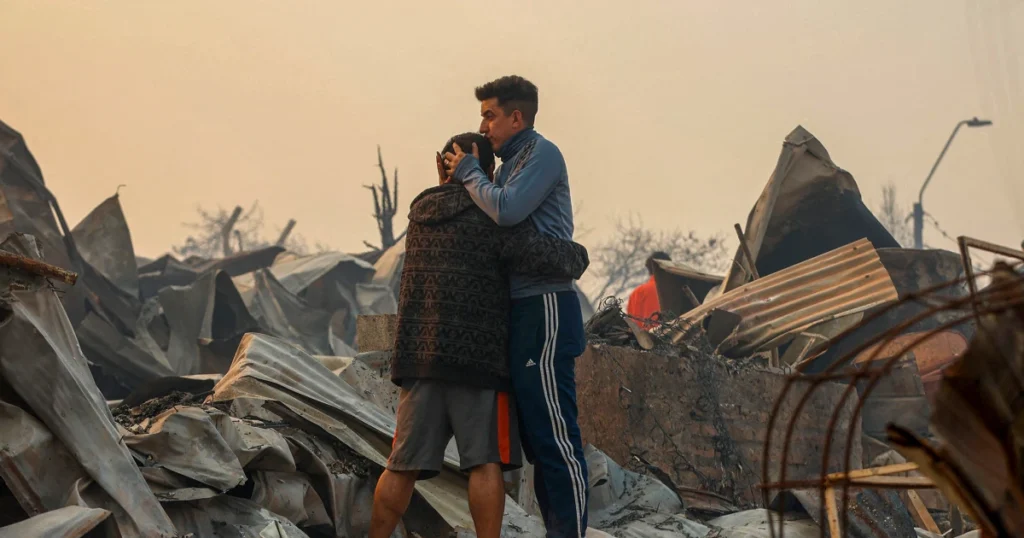
Health officials have also raised concerns about:
- Smoke inhalation injuries
- Respiratory complications, especially among children and the elderly
- Mental health stress caused by displacement and loss
Hospitals in affected regions remain on alert, while emergency medical teams provide care in evacuation centres.
Climate Conditions Fueling the Chile Wildfires
Experts say the Chile wildfires are part of a broader pattern linked to changing climate conditions.
Chile has experienced:
- Prolonged droughts
- Rising average temperatures
- Reduced rainfall in key regions
These factors create dry vegetation that ignites easily and burns intensely. Strong seasonal winds further worsen fire behaviour, making fires harder to predict and control.
Environmental analysts warn that without stronger prevention measures, wildfires of this scale may become more frequent.
You can check here for a broader climate context.
Government Response and Firefighting Challenges
Chile’s firefighting teams, supported by military units and volunteers, face difficult terrain and limited access routes in some areas.
Authorities have deployed:
- Firefighting aircraft and helicopters
- Ground crews working around the clock
- Emergency communication systems
Despite these efforts, officials acknowledged that weather conditions remain a major obstacle. Even areas initially declared safe have seen flare-ups as winds change direction.
International assistance has also been discussed, with neighbouring countries offering support if needed.
How the Chile Wildfires Compare to Past Disasters
Chile is no stranger to wildfires, but officials say this crisis stands out because of:
- The speed of spread
- The number of residential areas affected
- The death toll
Previous wildfire seasons caused significant environmental damage, but the current situation highlights growing risks to human life as urban areas expand closer to forested land.
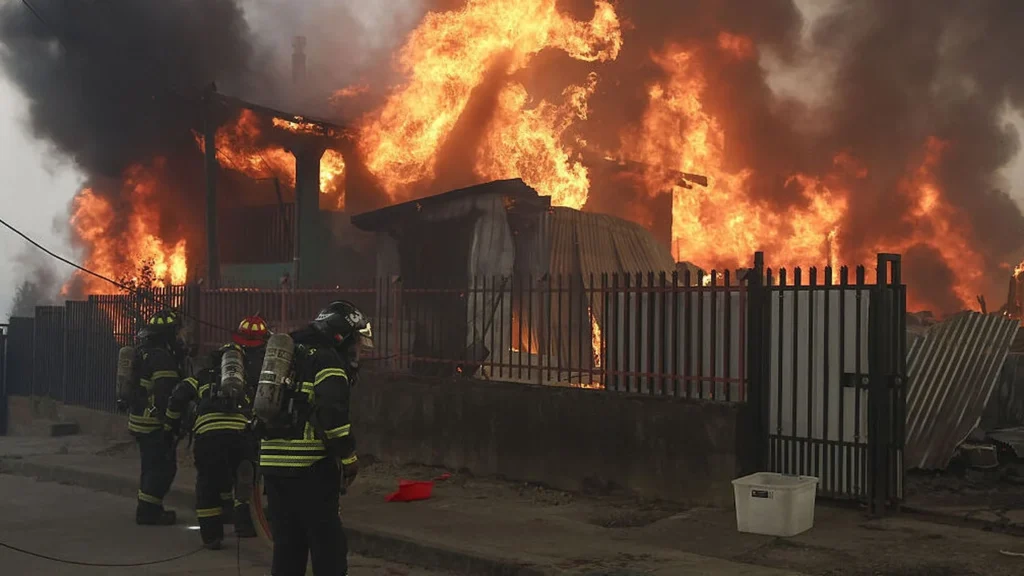
This has renewed debates around land-use planning, emergency alert systems, and early evacuation protocols.
What Happens Next for Affected Residents
For thousands of Chileans displaced by the Chile wildfires, the immediate concern is safety, but longer-term challenges are already emerging.
Residents face:
- Loss of homes and livelihoods
- Temporary displacement with no clear timeline
- Insurance and rebuilding uncertainties
Government officials say recovery plans will follow once the fires are fully contained, including housing assistance and financial support.
Community leaders have also called for national solidarity, urging donations and support for affected families.
A Reminder of the Human Cost of Natural Disasters
Beyond statistics and emergency declarations, the Chile wildfires are a reminder of how quickly ordinary life can be disrupted.
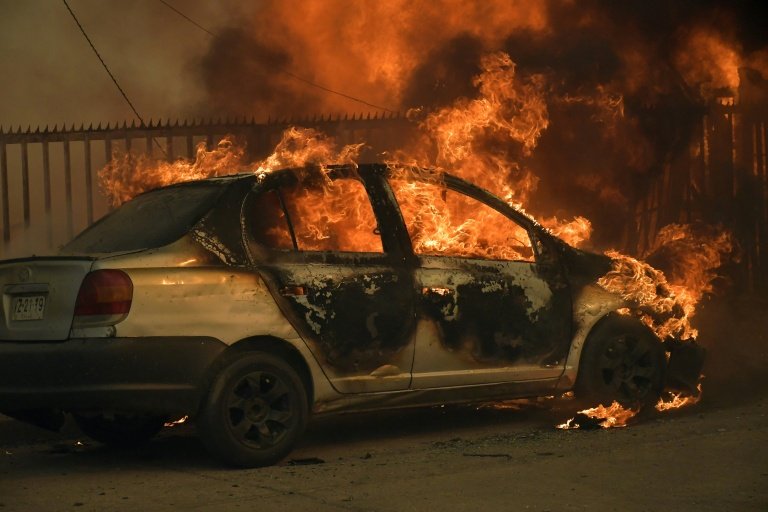
One moment, people are going about their day. The next, they are watching flames approach their homes, making impossible decisions about what to leave behind.
As Chile continues to battle the fires, the focus remains on saving lives, protecting communities, and preventing further loss.
Conclusion
The Chile wildfires that have killed at least 18 people are more than a natural disaster, they are a national emergency with lasting consequences.
As firefighters continue their work and displaced families wait for answers, the situation underscores the urgency of preparedness, climate resilience, and coordinated response.
For now, Chile watches, waits, and hopes for containment, while the world looks on in solidarity.
Enjoyed This Story?
If you found this report on the Chile wildfires helpful or informative, don’t forget to share it, leave a comment, or pass it along to someone who might want to stay informed.
- Follow our blog for verified global news, breaking updates, and clear context behind major events.
- Join us on Instagram, X (Twitter), Facebook, and LinkedIn for real-time updates, explainers, and stories that matter.
Your engagement helps keep responsible journalism visible.
SHARE: