No products in the cart.
Beatrice Ekweremadu Prison Release, Husband Still in Prison
I didn’t read the news about the Beatrice Ekweremadu prison release the way I usually read breaking stories. I didn’t skim. I didn’t rush to the comments. I didn’t even react immediately.
I paused.
Because some headlines don’t hit you with shock, they sit with you quietly, asking you to think instead of react. This was one of those. The kind of update that feels less like “breaking news” and more like a continuation of a very heavy conversation we never really finished having.
The Beatrice Ekweremadu prison release isn’t the kind of story that wraps itself in relief or closure. It doesn’t arrive with celebration, and it doesn’t come with outrage either. It comes with weight. With questions. With that strange feeling of knowing something has changed… but not enough to feel resolved.
And maybe that’s because this story was never meant to be simple.
Yes, Beatrice Ekweremadu has completed her sentence and has been released. But her husband remains incarcerated in the UK. That single detail shifts everything. It turns this from a “release story” into something far more complicated, something that feels unfinished, uneven, and emotionally layered.
So instead of asking, “Is this good or bad?” I found myself asking a different question:
What does this moment actually mean?
What Happened, And Who the Ekweremadus Are
For anyone just catching up, the name Ekweremadu carries weight, politically, socially, and now legally.
Beatrice Ekweremadu is the wife of Ike Ekweremadu, a longtime Nigerian politician and former Deputy Senate President. For years, he was a familiar figure in Nigeria’s political space, known for his influence, connections, and seniority within government circles. Beatrice, while not a politician herself, often appeared alongside him at official events and was widely recognised as part of that powerful political family.
That public image is part of why this case shocked so many people when it first broke.
In 2022, UK authorities accused Beatrice Ekweremadu, her husband Ike Ekweremadu, and a third defendant of conspiring to bring a young Nigerian man to the United Kingdom under false pretences. According to prosecutors, the plan was to have the man donate a kidney to their daughter, who was seriously ill at the time.
The issue wasn’t just the transplant itself, it was how the donor was recruited, transported, and allegedly pressured.
UK prosecutors argued that the young man was misled about the true purpose of the trip and placed in a vulnerable position once he arrived. The case was tried under the UK’s Modern Slavery and organ trafficking laws, making it one of the most high-profile organ trafficking prosecutions the country had seen.
After a lengthy trial at the Old Bailey, the court found Beatrice Ekweremadu and Ike Ekweremadu guilty. The verdict made international headlines, not just because of the crime, but because of who was involved. A family once associated with power and privilege was now facing the full weight of the law in a foreign country.
When sentencing came, the court handed down different prison terms. Beatrice Ekweremadu received a shorter sentence compared to her husband, which is why she has now completed her term and been released. Ike Ekweremadu, on the other hand, received a longer sentence and remains in a UK prison, with no immediate release in sight.
That difference in their current situations is what makes this moment particularly complex. While Beatrice Ekweremadu is now back in Nigeria, attempting to resume life outside prison walls, her husband is still serving time abroad, a separation that adds another emotional layer to an already heavy story.
Why the Beatrice Ekweremadu Prison Release Feels Heavier Than a Headline
The thing about the Beatrice Ekweremadu prison release is that it carries history with it. You can read up on the previous story here
This wasn’t a quiet case. It wasn’t something people forgot once sentencing happened. It unfolded publicly, internationally, and emotionally, touching conversations about power, privilege, desperation, ethics, and justice.
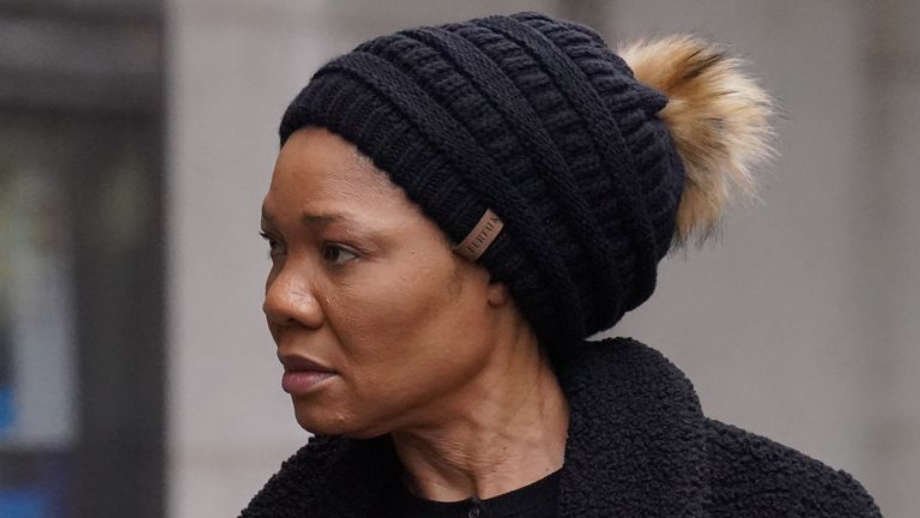
So when news broke about the Beatrice Ekweremadu prison release, it didn’t feel like a new chapter was starting. It felt like a page turning slowly, with the previous page still visible.
There’s no erasing what happened. No pretending the past didn’t exist just because a sentence has been served. And maybe that’s why many people didn’t respond with celebration or condemnation, they responded with contemplation.
You can read more about her release here
This is one of those moments where legality and morality don’t line up neatly, and the space between them feels uncomfortable.
Thinking About the Beatrice Ekweremadu Prison Release Without Rushing to Judge
One thing I’ve noticed about reactions to the Beatrice Ekweremadu prison release is how restrained they’ve been.
People aren’t shouting. They’re not grandstanding. They’re talking quietly. Asking questions. Acknowledging complexity.
And honestly, that feels appropriate.
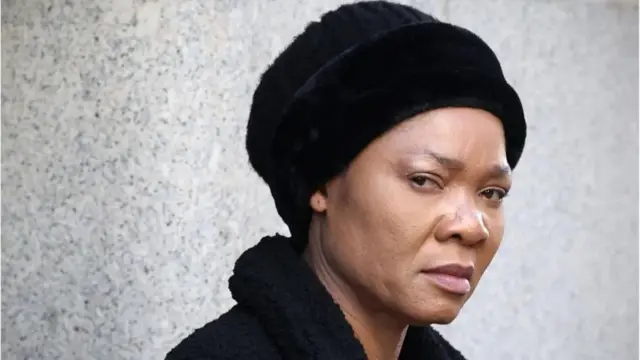
Because this isn’t a story that benefits from extremes. It doesn’t need instant forgiveness, and it doesn’t need endless condemnation either. What it needs is honesty, about consequences, about accountability, and about the fact that serving time doesn’t automatically untangle everything that came before it.
The Beatrice Ekweremadu prison release doesn’t wipe the slate clean. It simply marks time passed.
How the Beatrice Ekweremadu Prison Release Changes, and Doesn’t Change, the Story
On paper, the Beatrice Ekweremadu prison release changes her status. She is no longer incarcerated. She has completed her custodial sentence.
But emotionally? Socially? Publicly?
Not much has changed.
This story still exists. The questions still exist. And the consequences, especially reputational and ethical ones, don’t disappear because a prison gate opens.
And then there’s the detail that keeps tugging at the edges of the conversation: her husband is still in prison.
That reality alone ensures the Beatrice Ekweremadu prison release cannot stand alone as a “freedom narrative.” It’s incomplete by nature.
The Unspoken Weight of Her Husband Remaining Incarcerated
If the Beatrice Ekweremadu prison release feels emotionally complicated, this is why.
One person is free. The other is not.
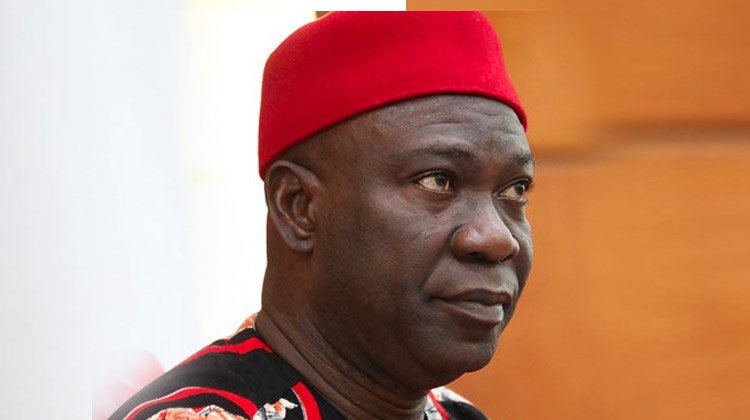
When the court sentenced them, everyone was happy that justice had prevailed. Read more about the sentencing here.
That imbalance makes it impossible to frame this moment as an ending. It turns it into a pause, a breath held mid-story. Because how do you talk about moving on when the same case is still actively unfolding for someone else?
The Beatrice Ekweremadu prison release exists alongside absence, separation, and uncertainty. And whether people say it out loud or not, that contrast shapes how this story is being received.
Public Conversations Around the Beatrice Ekweremadu Prison Release
Online, the response to the Beatrice Ekweremadu prison release has been less about noise and more about nuance.
Some people focus on due process. a sentence served, a legal system functioning as intended. Others focus on ethics, on whether justice feels complete or merely procedural.
Both perspectives coexist, and neither feels entirely wrong.
That’s the thing about the Beatrice Ekweremadu prison release: it doesn’t invite certainty. It invites reflection.
What Life After the Beatrice Ekweremadu Prison Release Might Look Like
There’s a version of release people imagine, one filled with relief, quiet joy, and a return to normalcy.
But the reality of the Beatrice Ekweremadu prison release is likely far more complex.
Life after incarceration, especially after a highly publicised case, is rarely smooth. There’s public memory. Media archives. Lingering perception. And there’s the emotional weight of knowing that your freedom exists alongside someone else’s confinement.
The Beatrice Ekweremadu prison release opens a new phase, but it doesn’t promise peace.
Why the Beatrice Ekweremadu Prison Release Still Matters
Some people might wonder why the Beatrice Ekweremadu prison release is still being discussed at all.
The answer is simple: because stories like this force us to confront uncomfortable truths. About how justice works. About how power intersects with consequence. About how legal endings don’t always feel emotionally complete.
This isn’t about staying stuck in the past. It’s about understanding impact.
And the Beatrice Ekweremadu prison release is a reminder that accountability doesn’t always come with clarity.
Not an Ending, Just Another Turning Point
If there’s one thing the Beatrice Ekweremadu prison release makes clear, it’s that some stories don’t end when sentences do.
They linger. They evolve. They resurface in quieter ways.
This moment isn’t a conclusion. It’s a shift, one that still carries uncertainty, reflection, and unanswered questions.
And maybe that’s the most honest way to sit with it.
Conclusion
The Beatrice Ekweremadu prison release doesn’t close a chapter. It turns a page,slowly, carefully, without applause or finality.
With her husband still incarcerated and public conversation still unfolding, this story remains very much alive. And perhaps the most important thing we can do right now isn’t to judge or conclude, but to observe, reflect, and remember why this case mattered in the first place.
Because some stories don’t resolve themselves.
They ask us to keep thinking.
Enjoyed This Story?
If this piece made you pause, reflect, or see the Beatrice Ekweremadu prison release from a different angle, you’re not alone. Stories like this don’t ask for quick reactions, they invite thoughtful reading and honest conversation.
If it resonated, feel free to share it with someone who appreciates nuanced storytelling and context beyond the headline.
You can also stay connected with us across our platforms for more in-depth stories, cultural commentary, and carefully written updates that centre people. not just news cycles.
- Follow our blog for regular posts
- Instagram for quick updates and discussions
- X (Twitter) for real-time conversations
- Facebook for community takes and shared perspectives
We’re here for the stories that linger, and the conversations that continue.
SHARE: