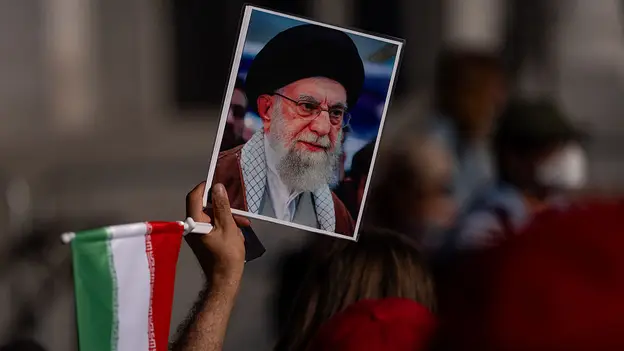
The Ali Khamenei death has sent shockwaves across the Middle East and the wider international community after Iranian state media confirmed that the country’s Supreme Leader was killed in joint U.S.–Israeli military strikes.
According to reports from Al Jazeera, Iranian authorities confirmed that Ayatollah Ali Khamenei died following coordinated attacks targeting strategic sites in Tehran. The strikes reportedly also killed several members of his family, including his daughter and grandchild. This is really such a tragedy and has sent his country people into mourning.
The confirmation of the Ali Khamenei death marks one of the most dramatic geopolitical developments in recent decades, potentially reshaping power dynamics across the Middle East.
How the Strikes Happened
Reports indicate that the strikes occurred in the early hours of February 28, 2026, as part of escalating military tensions between Iran, the United States, and Israel.
Coverage from Al Jazeera and The Cable states that Iranian state media announced the Ali Khamenei death after a targeted strike hit a secured compound in Tehran. Additional reporting from The Cable cited Iranian sources claiming that family members inside the residence were also killed during the attack.
The confirmation of the Ali Khamenei death has since triggered emergency security meetings within Iran’s political and military leadership.
Family Members Also Killed
Beyond the confirmation of the Ali Khamenei death, Iranian outlets reported that members of his immediate family were also killed in the same strikes.
According to multiple media sources, those reported dead include his daughter, son-in-law, and grandchild. The loss of family members alongside the Ali Khamenei death has intensified public mourning inside Iran.
State media announced a 40-day national mourning period following the Ali Khamenei death, a tradition often observed for major religious or national figures in the country.
Who Was Ali Khamenei?
To understand the magnitude of the Ali Khamenei death, one must understand his role in Iran’s political structure. He was not just a powerful personality, but one which was revered and feared.
Ayatollah Ali Khamenei became Supreme Leader in 1989 after the death of Ruhollah Khomeini. As Supreme Leader, he held ultimate authority over Iran’s military, judiciary, state broadcasting, and key political appointments.
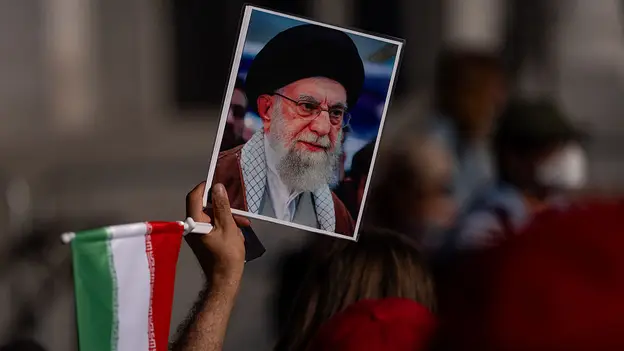
The Ali Khamenei death therefore does not represent the loss of a ceremonial figure. It represents the removal of the highest decision-making authority in the Islamic Republic.
For nearly four decades, he shaped Iran’s foreign policy, particularly its stance toward the United States and Israel. The circumstances surrounding the Ali Khamenei death now place that long-standing rivalry at the center of global tension.
Regional and Global Reactions
The announcement of the Ali Khamenei death triggered immediate reactions across the world. One of panic, fear and others of deep reflection.
Middle Eastern governments issued urgent statements calling for restraint, while Western capitals reportedly increased diplomatic and military readiness.
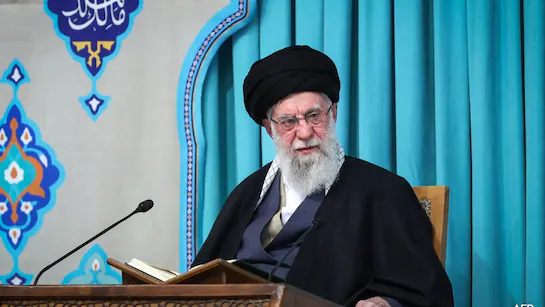
The United Nations has yet to issue a full resolution, but diplomatic sources suggest emergency consultations are underway following the Ali Khamenei death.
Inside Iran, large crowds reportedly gathered in major cities as news of the Ali Khamenei death spread, with state television broadcasting continuous coverage.
What Happens Next in Iran?
The Ali Khamenei death raises urgent constitutional and political questions. And it begs a whole lot of questions.
Under Iran’s system, the Assembly of Experts is responsible for appointing a new Supreme Leader. The sudden nature of the Ali Khamenei death means succession discussions may accelerate rapidly and we really are here for it.
Potential successors have long been speculated upon, but no official announcement has been made regarding who will replace him.
The stability of Iran’s leadership structure following the Ali Khamenei death will be closely watched by global markets, regional governments, and military analysts.
Impact on US-Iran and Israel-Iran Relations
The geopolitical consequences of the Ali Khamenei death could be profound.
For decades, tensions between Iran and Israel have remained high, often expressed through proxy conflicts and political rhetoric. The direct military strike that led to the Ali Khamenei death signals an unprecedented escalation.
Relations between Iran and the United States have also been strained since the 1979 Islamic Revolution. The confirmation of the Ali Khamenei death in a joint U.S.–Israeli operation may further destabilize diplomatic pathways.
Analysts warn that retaliatory measures cannot be ruled out following the Ali Khamenei death, raising concerns about broader regional conflict.
National Mourning and Internal Stability
Iranian authorities have declared 40 days of mourning following the Ali Khamenei death, with religious institutions holding memorial services nationwide.
Security has reportedly been heightened across Tehran and other major cities as officials work to maintain order in the wake of the Ali Khamenei death.
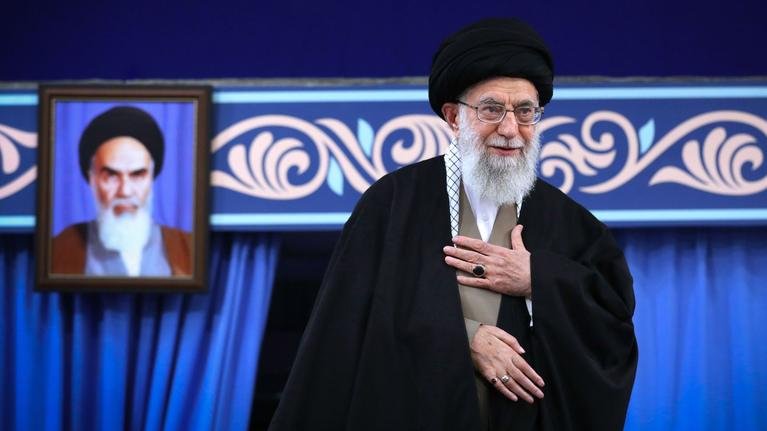
The emotional weight of losing both the Supreme Leader and members of his family has intensified the national response.
Why the Ali Khamenei Death Is a Turning Point
The Ali Khamenei death represents more than the loss of a political leader. It marks the end of an era that began in 1989 and shaped nearly four decades of Iranian governance.
From nuclear negotiations to regional alliances, the Supreme Leader’s office defined Iran’s strategic direction. The sudden Ali Khamenei death leaves a vacuum at the center of that power structure.
Historians may ultimately view the Ali Khamenei death as a pivotal moment in Middle Eastern political history.
Conclusion
The confirmation of the Ali Khamenei death, alongside reports that his daughter and grandchild were killed in the same U.S.–Israel strikes, signals one of the most consequential geopolitical events of 2026.
As Iran enters a period of mourning and succession planning, the world watches closely.
The long-term implications of the Ali Khamenei death remain uncertain, but what is clear is that the regional balance of power may be entering a new and unpredictable phase. However it goes, you can be sure we will update you
If You Enjoyed This Story
If you found this in-depth article on the Ali Khamenei death informative, follow the blog for continued updates on global politics, breaking international news, and geopolitical analysis. Share this article, leave your comments and join the conversation responsibly.
🔥Trending Nowstuff.