I didn’t hear about A Very Dirty Christmas because of a trailer. I heard about it because people were angry.
That alone made me pause.
When a Nollywood film trends more for its title than its plot, there’s usually a deeper story hiding underneath the outrage. And once I started looking closely at Ini Edo’s career, her choices, and the moment this film arrived, the controversy began to make a lot more sense.
And so, you may have the same question: why this film, why now, and why Ini Edo?
The moment I saw the title A Very Dirty Christmas, I knew it wouldn’t pass quietly.
Not in Nigeria. Not with religion. And definitely not with Ini Edo’s name attached to it.
A few days later, the backlash arrived. and suddenly, this wasn’t just a movie release anymore. It became a cultural conversation.
Quick Synopsis: What Is A Very Dirty Christmas About?
The film follows a family gathering during the festive season where secrets, betrayals, and unresolved conflicts bubble to the surface.
Behind the glitter of Christmas lights lies emotional chaos, the “dirty” truths people hide while smiling through December.
It’s not about vulgarity; it’s about the messiness of human relationships during a season that’s supposed to be perfect.
First, Let’s Be Honest About Ini Edo’s Career
If you’ve followed Ini Edo for a while, you’ll know she didn’t get here by accident.
Early in her career, she was Nollywood’s safe bet. Romantic leads. Family dramas. Roles that didn’t try to shake tables. Movies like World Apart and Games Women Play helped cement her image as a dependable leading lady, familiar, respected, and widely accepted.
But that version of Ini Edo has quietly evolved.
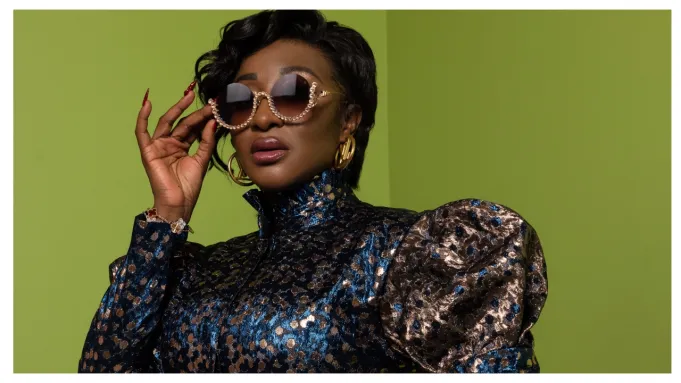
Over the years, I’ve noticed her move away from “comfortable” roles into stories that sit in uncomfortable spaces. Women with complicated lives. Emotional mess. Power struggles. Secrets. Consequences.
So when A Very Dirty Christmas surfaced, it didn’t feel random to me. It felt like the continuation of a path she’s already been walking.
Producing Changed Everything For Her, And it Shows
Once Ini Edo stepped into producing, her storytelling shifted.
Producing gives you control. And with control, you stop waiting for stories that feel “acceptable” to everyone. You start telling the ones you believe in, even if they make people uneasy.
A good example is While You Slept. That film tackled trauma, consent, and emotional survival, topics many people would rather avoid. Ini Edo openly spoke about why the story mattered to her and why it needed to be told, even if it made audiences uncomfortable.
You can read about it Here.
That same boldness shows up again in A Very Dirty Christmas.
The discomfort people feel about the title mirrors the discomfort her recent films have been leaning into.
This isn’t a sudden shift. It’s growth.
Her Film Choices Have Been Getting Louder, Not Softer
This didn’t start with Christmas.
In Merry Men, Ini Edo played a confident, modern woman in a flashy story that subtly challenged traditional gender expectations in Nollywood. Pulse covered that story and you can read about it here
Then came Shanty Town, dark, gritty, and emotionally draining. The Netflix series sparked intense conversations about power, violence, and exploitation. Ini Edo herself admitted how heavy the project was and why it mattered.

When I put all these together, the A Very Dirty Christmas controversy didn’t surprise me at all. Her work has been heading in this direction for years.
So Why Did The Title Cause This Much Outrage?
This is where religion enters the conversation. When the Christian Association of Nigeria (CAN) criticized the title, calling it disrespectful to the sanctity of Christmas, many people agreed. And honestly, I understand why.
Christmas is deeply sacred to many Nigerians. Attaching the word “dirty” to it felt like crossing a line, at least on the surface.
Punch Newspaper reported CAN’s position clearly:
From their point of view, the discomfort was valid.
Ini Edo’s Response Told Me A Lot
What stood out to me wasn’t the backlash, it was how Ini Edo handled it. She didn’t panic. She didn’t lash out. She explained.
She said the title was symbolic, not literal.
That A Very Dirty Christmas reflects the emotional mess people still carry during festive seasons, family conflict, unresolved pain, secrets people smile through in December.
She also pointed out that the film passed through the National Film and Video Censors Board (NFVCB) before release. Vanguard covered her response and it was brilliiant.
To me, that response didn’t sound like damage control. It sounded like someone standing by a creative decision they understood fully.
Public Scrutiny Isn’t New For Ini Edo
Another thing people forget: Ini Edo has lived under public judgment for years.
Her marriage, divorce, and personal choices have all been dissected online. Over time, she’s become noticeably more deliberate, less reactive, more grounded.
So when this controversy came, it met someone already familiar with public opinion storms. Not a rookie trying to explain herself, but a woman who knows how quickly outrage rises, and fades.
Now Here’s The Twist People Are Ignoring
While everyone was arguing, something else was happening quietly.
People who never planned to watch A Very Dirty Christmas started asking questions.
- “What’s the movie actually about?”
- “Is it really offensive?”
- “Why is everyone angry?”
That’s the twist.
The A Very Dirty Christmas controversy didn’t kill interest, it created curiosity. And curiosity drives clicks, searches, streams, and conversations.
In entertainment, outrage often doesn’t cancel a project. It amplifies it.
What This Moment Really Says About Ini Edo
This is the part that matters a whole lot. Ini Edo isn’t chasing approval anymore. She’s choosing honesty over comfort.
She’s telling messier stories. She’s backing her creative decisions. And she’s okay with people disagreeing.
At this stage of her career, A Very Dirty Christmas feels less like a gamble and more like a statement. This is who she is now, and she’s fine with the noise.
She’s no longer building relevance. She’s shaping legacy.
What This Means for Nollywood
This moment isn’t just about Ini Edo. It reflects a broader shift in Nollywood toward bolder storytelling, even when it risks cultural backlash.
As streaming platforms expand and global audiences grow, filmmakers are less constrained by traditional norms.
Titles like A Very Dirty Christmas signal a new era of creative freedom, one where controversy isn’t feared, but sometimes embraced as part of the conversation.
Final Thoughts
This controversy isn’t really about one word in a movie title. It’s about an actress at a mature point in her career choosing truth over tradition, and accepting whatever conversation follows.
Love it or hate it, one thing is clear:
Nobody is ignoring A Very Dirty Christmas anymore.
Before you go…
If you enjoyed this story and want more smart takes on Nollywood, pop culture, and the stories behind the headlines:
- Follow our blog for smart entertainment analysis
- Join us on Instagram, Facebook, Twitter, and LinkedIn
- Share this article with someone still deciding whether to watch the film
And tell us, do you think the title is disrespectful, or just misunderstood?
Because sometimes, the real story isn’t the outrage…It’s what the outrage reveals.
🔥Trending Nowstuff.