No products in the cart.

Best Long-Lasting Perfumes for Women (2026): Smell Good All Day Without Reapplying
Looking for perfumes that actually last all day? Here are the best long lasting perfumes…







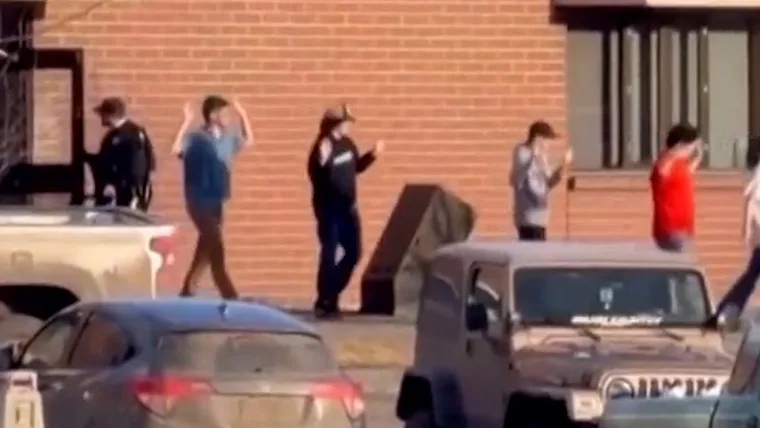
Some headlines blur together. Others sit with you long after you close the tab.
The Canada mass shooting that left at least nine people dead and dozens injured is one of those stories that refuses to feel distant. It doesn’t feel like something happening “somewhere else.” It feels heavy. It feels personal.
Nine lives gone. Families shattered. A small Canadian town waking up to a reality it never imagined. Officers investigating has called it one of the deadliest shootings in history.
The Canada mass shooting has shaken not just British Columbia, but the entire country, and beyond.
The Canada mass shooting occurred on February 10, 2026, in Tumbler Ridge, British Columbia, a small town with a population of roughly 2,400 people.
According to early reporting from CNN, The attack reportedly unfolded at Tumbler Ridge Secondary School and a nearby residence. Emergency services responded quickly after multiple calls came in reporting gunfire.
Authorities confirmed that at least nine people were killed in the Canada mass shooting, while more than two dozen others sustained injuries ranging from minor to critical.
The suspected shooter was later found dead. Officials have indicated the death may have been self-inflicted, though investigations into the Canada mass shooting remain ongoing.
Police have urged the public to rely on verified updates as details continue to emerge.
The scale of the Canada mass shooting is deeply tragic on its own. But the location makes it even more painful.
Tumbler Ridge is not a major city. It’s a tight-knit community where people recognize each other at grocery stores and school events. In towns like this, loss spreads quickly because everyone is connected in some way.
The Canada mass shooting did not just affect victims at the scene. It affected teachers, parents, classmates, coworkers, and neighbors.
In a small community, tragedy is not abstract. It has names. It has faces. It has shared memories.
Schools represent safety, growth, and possibility. That’s what makes this particular mass shooting especially unsettling.
When violence enters an educational space, it disrupts more than a single day. It disrupts trust. Students who once felt secure in hallways and classrooms now associate those same spaces with fear.
Mental health experts often note that after events like the Canada mass shooting, students and staff may experience:
The psychological impact of the Canada mass shooting may last far longer than the news cycle itself.
Every Canada mass shooting forces difficult conversations about public safety, firearm regulations, mental health systems, and emergency response readiness.
Canada is known for having stricter gun control laws than many other countries. However, incidents like the Canada mass shooting show that even countries with regulations are not immune to tragedy.
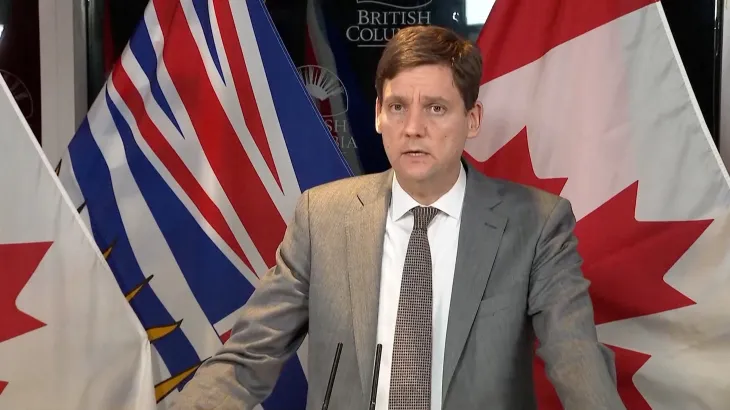
Public policy experts often emphasize that preventing another Canada mass shooting involves layered strategies:
As investigations into the shooting continues, discussions about prevention are already resurfacing nationwide.
Law enforcement agencies in British Columbia have described the Canada mass shooting as an active and ongoing investigation.
Authorities are:
Officials have stated there is no ongoing public threat related to the Canada mass shooting, but they continue to gather evidence to understand motive and timeline.
Transparency remains critical, especially when public anxiety is high.
Statistics are often the first thing reported after a tragedy. Nine dead. Dozens injured.
But behind every statistic in the mass shooting is a family receiving a phone call that changed everything.
There are parents who will never see their child graduate. Friends who will replay their last conversations. Teachers who will carry the weight of that day.
This is not just a national headline. It is a collection of individual losses.
Communities often respond with vigils, candles, flowers, handwritten messages. These acts do not erase pain, but they create space for shared grief.
The impact of the Canada mass shooting has extended beyond British Columbia and beyond Canada itself.
School violence and mass casualty events are global concerns. When a Canada mass shooting occurs, it triggers reflection in other nations about preparedness, security, and prevention.
International leaders have expressed condolences, reinforcing that grief crosses borders.
In moments like this, the story stops being solely about Canada. It becomes about collective vulnerability.
After the initial shock fades, communities begin the long process of rebuilding.
Following the Canada mass shooting, counseling services are expected to remain available for students, families, and first responders. Schools may reassess security protocols. Policymakers may revisit legislation.
But beyond policies and procedures, the town must rediscover a sense of normalcy.
The Canada mass shooting will remain part of Tumbler Ridge’s history. Anniversaries will come. Memorials will be held.
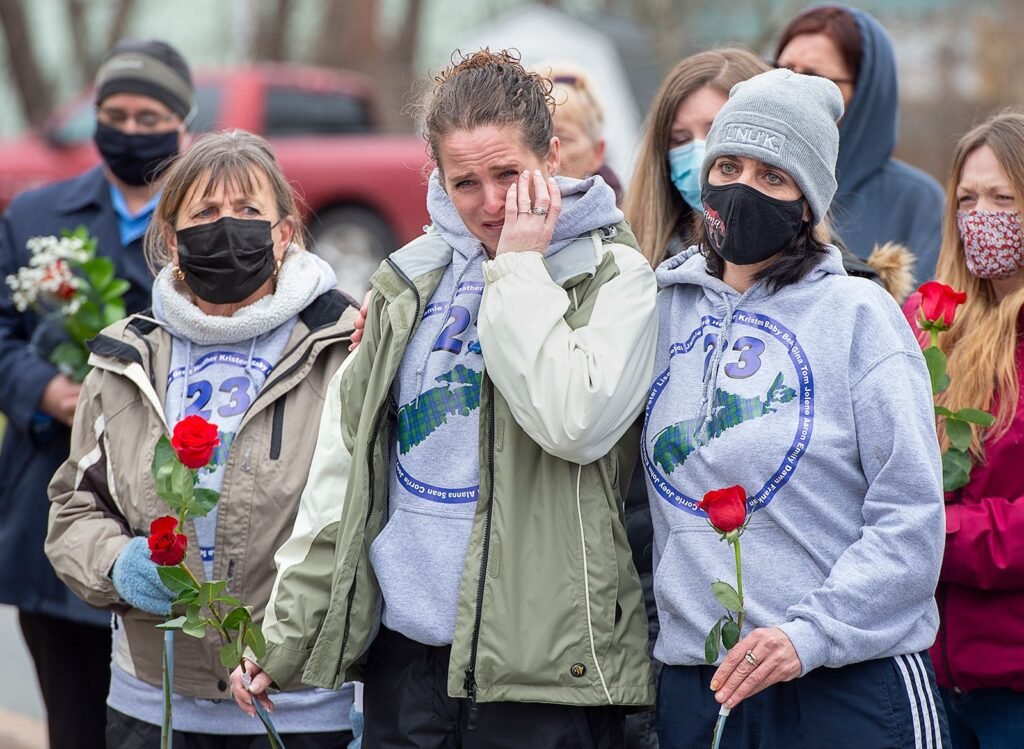
Yet the community will also continue to live, grow, and move forward, carrying memory without allowing tragedy to define its entire identity.
The Canada mass shooting is a reminder that tragedy does not announce itself politely. It interrupts. It devastates. It leaves questions behind.
As investigations continue and verified updates emerge, the focus remains on the victims, the injured, and the community left to process the aftermath.
The phrase Canada mass shooting may trend online, but for those directly affected, it represents something far more profound, loss, grief, and a search for healing.
If you found this story insightful, follow the blog for more thoughtful coverage on breaking news, global events, and the stories that shape our world.
Share this post with someone who values clear, human reporting, and join the conversation with us on Instagram, Facebook, LinkedIn, and Twitter, where we continue the discussion beyond the headline.